
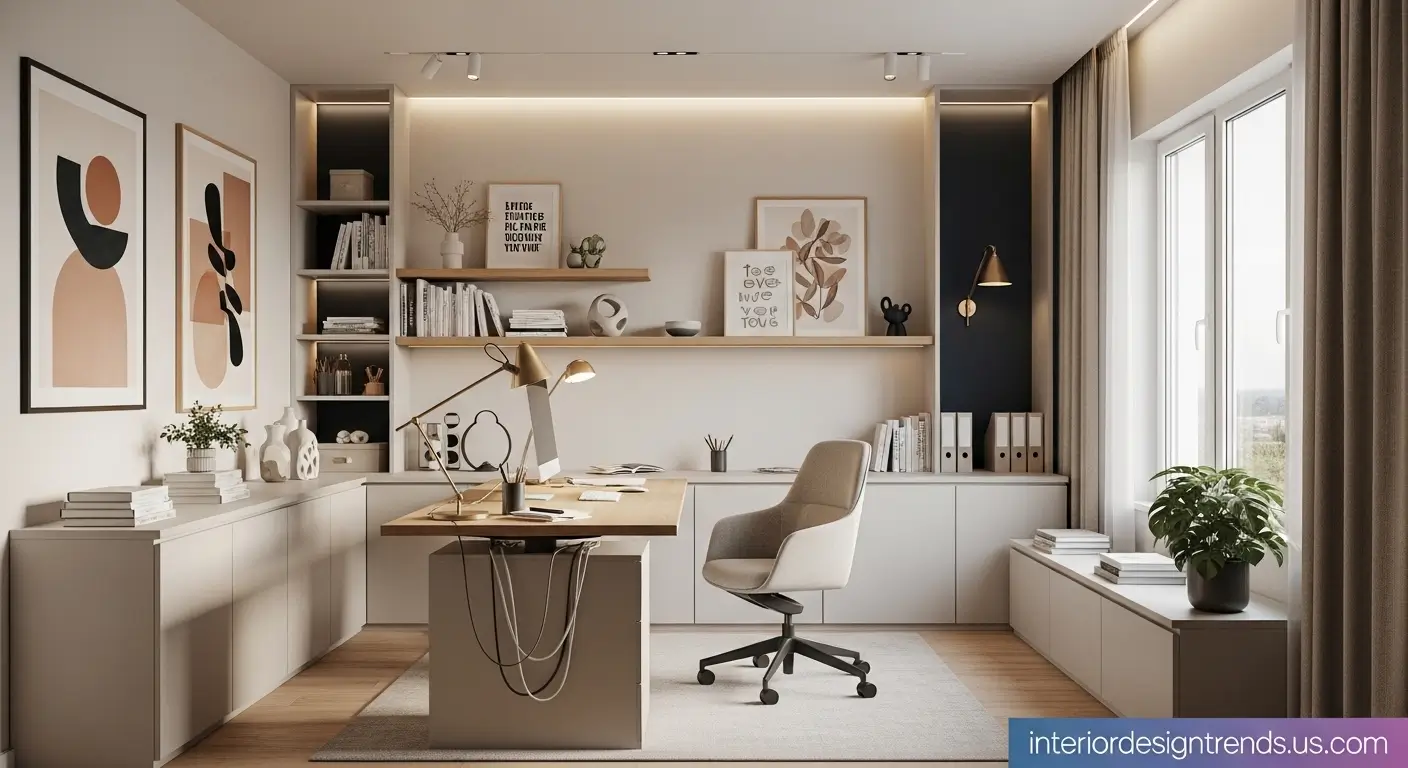

Welcome to your complete guide on office decor. Your office is more than just a desk and a chair; it is the place where you work, think, and create. The way your office looks and feels can affect your mood, energy, and focus. A simple change in furniture, colors, or lighting can make a big difference in how comfortable and productive you feel every day.
Decorating your office is not just about making it look nice. It is about creating a space that works for you. A well-decorated office can help you stay organized, reduce stress, and even make you feel more confident in your work. From small touches like plants and wall art to wider choices like desk placement and lighting, every detail matters.
Why Office Decor Matters
The way your office looks and feels can have a big effect on your work, mood, and focus. A workspace that is messy, dark, or uncomfortable can make it harder to concentrate, increase stress, and reduce productivity. On the other hand, a well-designed office helps you feel motivated, organized, and creative. That is why office decor is not just about making a space look pretty; it directly affects how you perform at work.
A properly decorated office can improve your efficiency in many ways:
- Reduces stress: Clean, organized spaces make your mind feel calm.
- Boosts focus: Good lighting, proper desk placement, and minimal distractions help you concentrate.
- Increases creativity: Colors, art, and personal touches inspire new ideas.
- Shows professionalism: A neat and stylish office gives clients, colleagues, and visitors a positive impression.
Even small changes, like adding plants, a comfortable chair, or a simple wall design, can make a workspace feel welcoming and productive. Office decor combines functionality and style, so you not only feel comfortable but also enjoy spending time in your workspace.
When your office environment supports your work, you naturally perform better. It becomes easier to complete tasks efficiently, stay motivated, and even enjoy the workday more. That is why investing time and thought into office decor is a smart and valuable step for any workspace.
Planning Your Office Decor
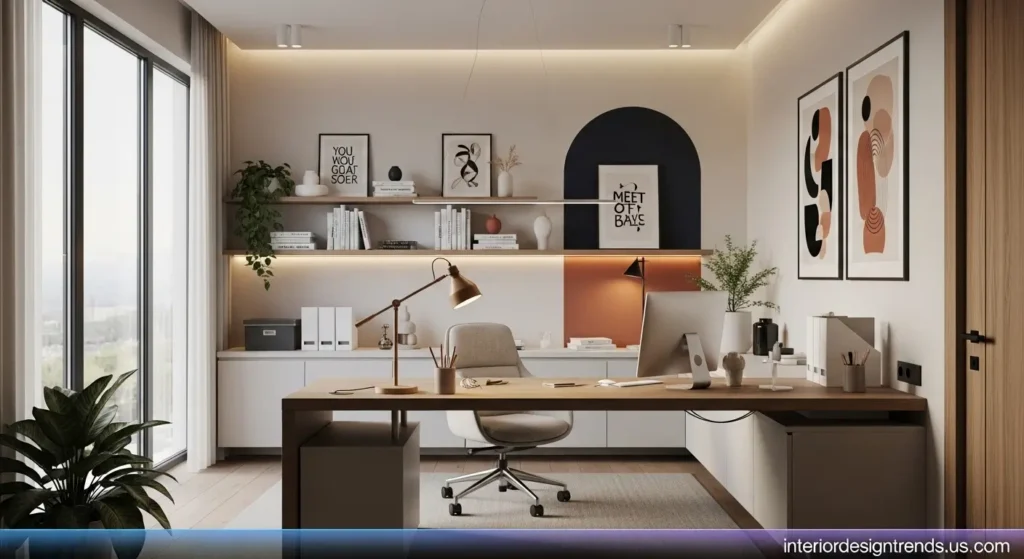
Before you start buying furniture, painting walls, or arranging decorations, it is important to plan your office decor carefully. Planning helps you make choices that are practical, stylish, and suited to your work needs. Without a plan, offices can end up cluttered, uncomfortable, or ineffective.
A well-planned office is a combination of functionality and style. This means thinking about how you will use the space, what kind of work you do, and what kind of environment will help you be productive and happy. Planning also ensures that every item in your office furniture, lighting, colors, and decorations supports your goals.
Step 1: Define Your Workspace Goals
Start by asking yourself what the main purpose of your office is:
- Productivity-focused office: If your goal is to complete tasks efficiently, focus on organization, minimal distractions, and ergonomic furniture. Keep the space clean, simple, and functional.
- Creative office: For work that requires brainstorming, design, or idea generation, use bright colors, artwork, and flexible furniture arrangements to inspire creativity.
- Hybrid workspace: If you need both focus and creativity, combine functional layouts with areas for brainstorming or relaxation. Modular furniture and flexible decor can help you balance both goals.
Understanding your goals helps you make choices that are practical and tailored to your work style.
Step 2: Set a Budget
Before buying anything, decide how much money you want to spend. Planning a budget ensures that you invest in the most important items first. For example:
- Ergonomic chair and desk: essential for comfort and health.
- Lighting: A good task lamp and ambient lighting improve productivity.
- Storage solutions: shelves, cabinets, or boxes keep the space organized.
- Decorative elements: wall art, plants, and personal items can be added gradually.
By prioritizing essential items first and adding decor later, you can create a functional office without overspending.
Step 3: Choose a Theme and Color Palette
Colors and themes play a big role in how your office feels:
- Cool colors (blue, green): Calm, help focus, and reduce stress.
- Warm colors (yellow, orange): Energize the space and encourage creativity.
- Neutral colors (white, gray, beige): Professional, timeless, and easy to combine with other decor items.
Tips for choosing colors:
- Pick 2 main colors and 1 accent color for balance.
- Consider the purpose of each area. For example, use calming colors in focus zones and brighter colors in creative zones.
- Include your brand colors in a professional office for a cohesive look.
Step 4: Measure and Assess Your Space
Take measurements of your office before buying furniture. Knowing the room size helps you choose the right desk, chairs, and storage units without overcrowding the space.
- Measure the wall space for shelving or wall art.
- Check floor space for desks, chairs, and walkways.
- Identify natural light sources and electrical outlets for lighting and electronics.
Planning the layout ensures the office is functional and easy to move around in.
Step 5: Plan for Organization and Storage
Good storage is the backbone of any productive office. Think about how you will store documents, office supplies, and personal items:
- Vertical storage: Shelves and cabinets use wall space efficiently.
- Multi-purpose furniture: Desks with drawers or benches with storage underneath save space.
- Decorative storage: Boxes, baskets, and trays keep things organized while adding style.
Organizing before decorating prevents clutter and helps your office look clean and professional.
Step 6: Consider Lighting and Ergonomics
Lighting and ergonomics are crucial for comfort and productivity:
- Place desks near windows for natural light.
- Use adjustable LED lamps for tasks that need focused lighting.
- Choose ergonomic chairs with lumbar support and adjustable height.
- Keep monitors at eye level to prevent neck strain.
Good lighting and furniture not only make your office look professional but also protect your health.
Step 7: Personal Touches
After planning the functional parts of your office, think about personal touches:
- Photos, wall art, or inspirational quotes can motivate you.
- Plants add life, improve air quality, and reduce stress.
- Minimal decor items that match the theme make the office feel comfortable without cluttering it.
Personalization ensures that your office feels inviting and enjoyable, so you look forward to spending time there.
Office Decor Essentials
Creating a functional and beautiful office is not just about buying the latest furniture or decoration. It is about combining the right essentials that make your workspace comfortable, organized, and inspiring. These essentials include lighting, furniture, layout, and storage solutions. Each element plays an important role in improving your productivity, mood, and focus.
Lighting Decisions That Make a Difference
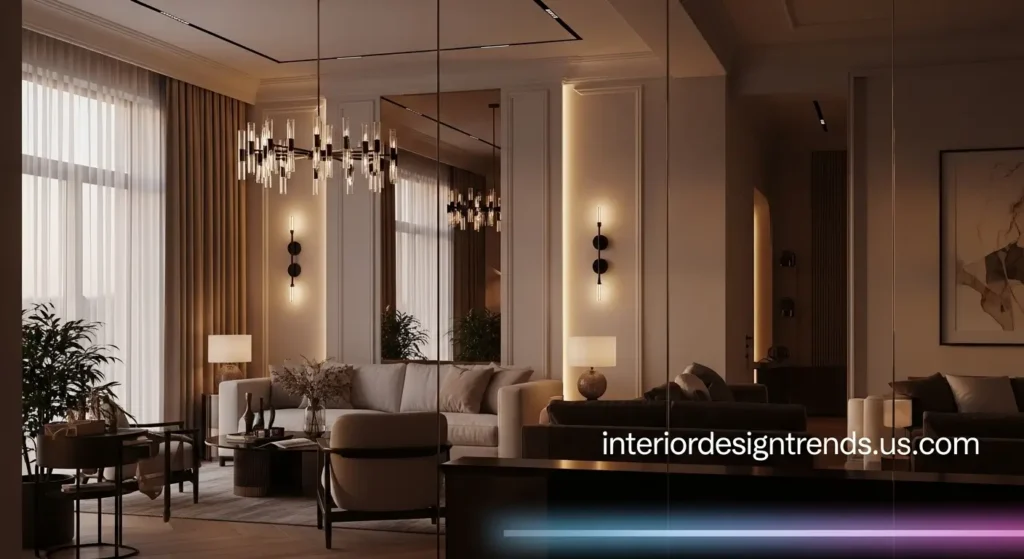
Lighting is one of the most important factors in office decor. Poor lighting can cause eye strain, headaches, fatigue, and reduce focus. On the other hand, proper lighting can make your office feel brighter, more inviting, and help you stay energized throughout the day.
Here are the main types of lighting to consider:
- Natural Light: Natural sunlight is the best source of light. Position your desk near a window to take advantage of daylight. Natural light improves mood, increases energy, and can reduce stress.
- Ambient Lighting: This is the general light that illuminates the entire room. Ceiling lights, LED panels, or track lighting provide soft, even light throughout the office. Ambient lighting ensures the workspace is comfortable without harsh shadows.
- Task Lighting: Task lighting focuses on specific areas where you work, such as desks or reading corners. Adjustable LED desk lamps or floor lamps provide focused light for writing, typing, or drawing.
- Accent Lighting: Accent lighting highlights artwork, shelves, or decorative objects. It adds depth and personality to your office without being distracting.
Tips:
- Avoid placing screens directly in front of bright windows to prevent glare.
- Use warm or neutral LED lights instead of harsh white lights for long hours.
- Layer different types of lighting for flexibility, depending on the time of day or task.
Furniture and Layout Fundamentals
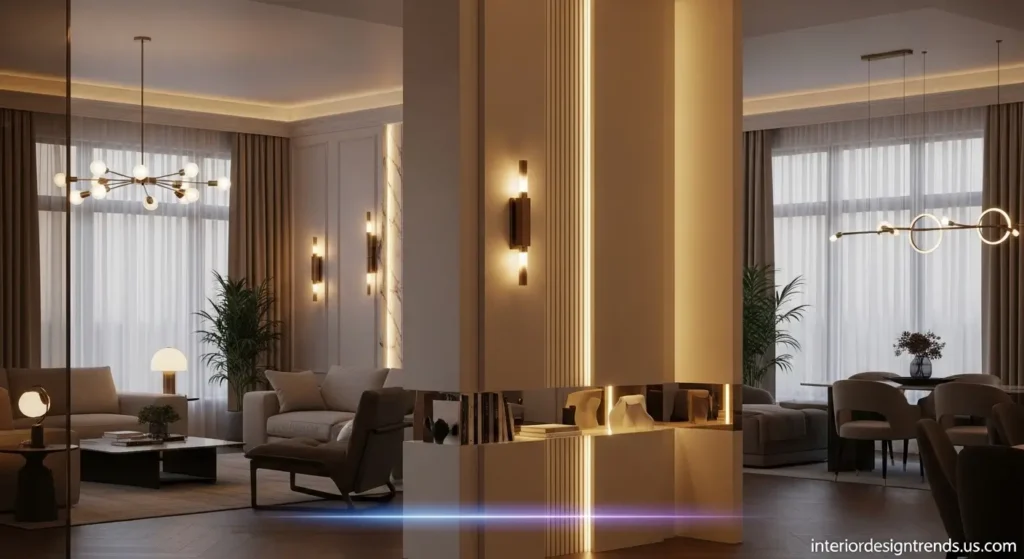
The right furniture is essential for comfort, health, and productivity. Ergonomic and functional pieces support long work hours and reduce physical strain.
Ergonomic Chairs
- Chairs with proper lumbar support prevent back pain.
- Adjustable height ensures your feet rest comfortably on the floor.
- Armrests reduce shoulder strain during typing.
Desks and Work Surfaces
- Adjustable or standing desks allow you to alternate between sitting and standing.
- Spacious desks provide enough room for computers, notebooks, and accessories without feeling cramped.
- Desks with built-in storage help keep essentials organized.
Layout Tips
- Keep frequently used items within easy reach.
- Place desks near natural light sources,s but avoid glare on screens.
- Create zones for work, storage, and relaxation if space allows.
Example:
A desk positioned near a window with a comfortable chair, a small shelf nearby, and a desk lamp creates a functional and inspiring workspace.
Storage and Organization Decor
Organized storage is a key part of office decor. Cluttered offices create distractions, stress, and make the space feel smaller. Functional storage solutions keep your office tidy while adding to the overall look.
Types of Storage:
- Vertical Shelves: Use wall space for books, files, or decorative items.
- Cabinets and Drawers: Store documents and supplies out of sight to reduce clutter.
- Decorative Boxes and Baskets: Stylish storage that matches your office theme while keeping items organized.
- Floating Shelves: Ideal for small spaces, display items without using floor space.
Tips for Effective Storage:
- Label boxes and drawers for easy access.
- Avoid overloading shelves; leave some space to keep the area visually balanced.
- Combine storage with decor by using baskets or containers that match the office colors.
Example:
A modern office desk with two vertical shelves on the side and decorative storage boxes underneath can hold all office supplies while maintaining a neat, stylish look.
Technology Integration
In today’s offices, technology is part of the decor, too. How you organize your devices affects both function and style:
- Keep cables hidden with cable management solutions.
- Use wireless chargers or docking stations to reduce clutter.
- Place monitors at eye level to maintain proper posture.
- Include smart lighting or sound systems for a modern touch.
Tip: Technology should support your workflow without overwhelming your space. Choose sleek designs that complement the overall decor.
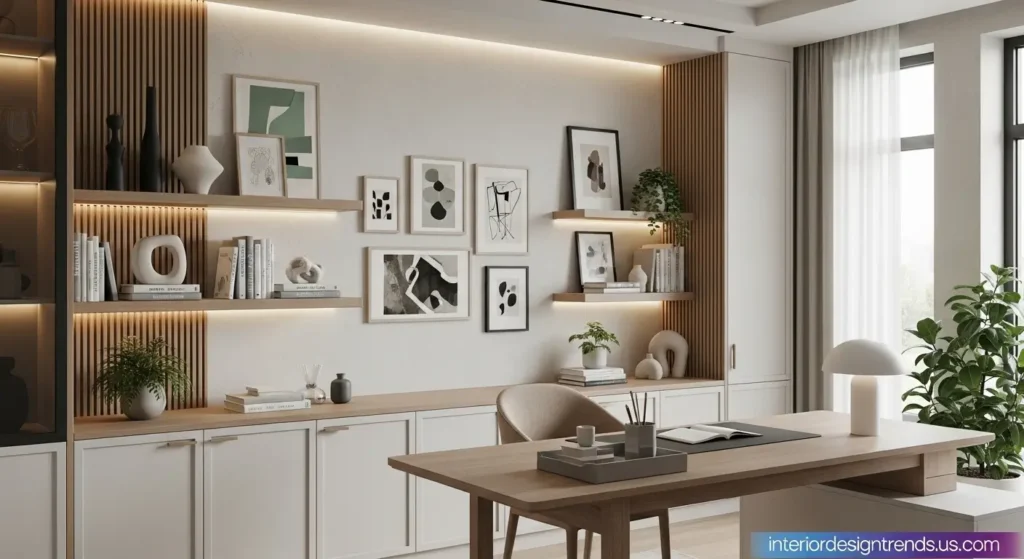
Office Wall and Surface Styling
The walls and surfaces in your office are more than just space. How you style them can transform the mood, energy, and productivity of your workspace. Proper wall and surface styling make your office feel welcoming, organized, and inspiring. It balances functionality with aesthetics, allowing you to work comfortably while enjoying a visually pleasing environment.
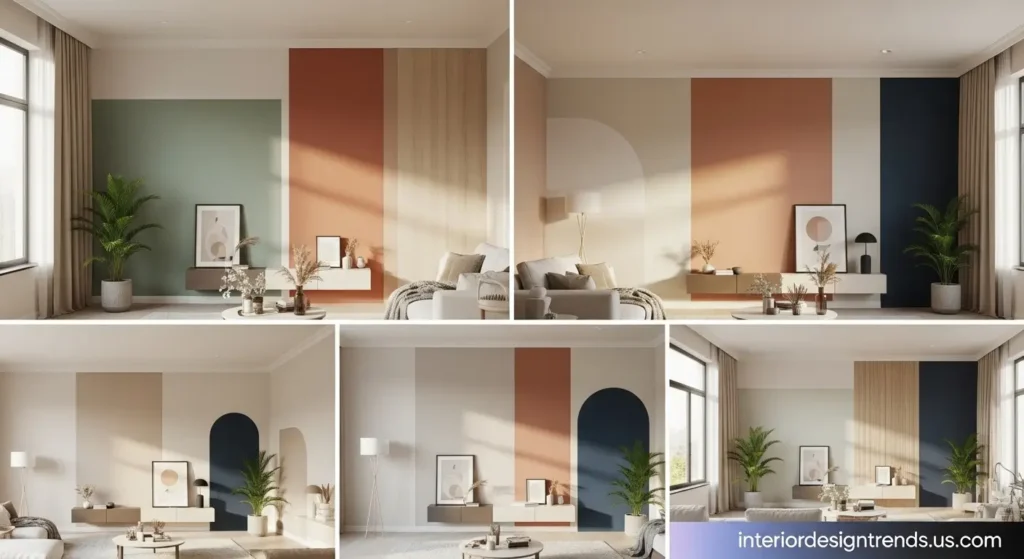
Wall Colors and Paint Ideas
The colors you choose for your walls can influence your focus, creativity, and emotions. Different colors create different atmospheres:
- Light Colors: White, beige, and light gray make the space look bigger, brighter, and cleaner. They are ideal for small offices or rooms with little natural light.
- Cool Colors: Blue and green are calming colors that help improve focus and reduce stress. They are perfect for productivity-focused workspaces.
- Warm Colors: Yellow, orange, and coral add energy and creativity. They work well in areas where brainstorming or creative tasks take place.
- Accent Walls: Choose one wall to highlight with a bold color or pattern. This adds personality without overwhelming the room.
Tips:
- Keep 2–3 main colors in the office for balance.
- Consider the natural light when choosing paint. Some colors may appear darker in low light.
- Use neutral tones as a base and bright accents for energy.
Wall Decor Ideas
Decorating walls is essential to make your office personal and motivating:
- Artwork and Posters: Inspirational quotes, modern prints, or paintings add personality and motivate creativity.
- Shelves: Floating shelves or wall-mounted units display books, plants, or decorative items while saving floor space.
- Bulletin Boards and Whiteboards: Functional walls for notes, reminders, and brainstorming ideas.
- Gallery Walls: Arrange multiple frames of different sizes for a dynamic, organized look.
Tip: Avoid overcrowding the walls. Choose a few key pieces that match your office theme and style.
Desk Surface Styling
Your desk is the main working surface and should balance organization and personal style:
- Functional Items: Keep essential items like pens, notebooks, and a computer neatly arranged. Use organizers or trays to prevent clutter.
- Decorative Items: Small plants, photo frames, or a stylish lamp add warmth and personality.
- Minimalism: Avoid piling too many items on the desk. A clean, clear surface improves focus and productivity.
- Color Coordination: Match your desk accessories with the office’s color palette for a cohesive look.
Example:
A simple desk setup with a laptop, a small succulent plant, a pen holder, and a desk lamp looks clean, professional, and inviting.
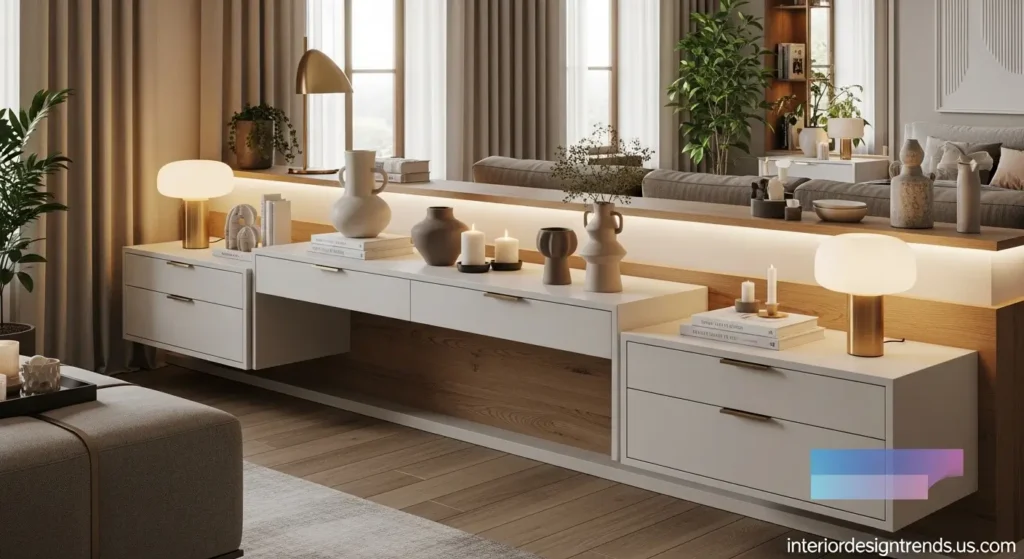
Storage Surfaces and Side Tables
Besides your main desk, other surfaces like side tables, cabinets, or consoles can also be styled:
- Side Tables: Place decorative trays, books, or plants to enhance the aesthetic while keeping essentials accessible.
- Cabinet Tops: Add a few decorative objects like photo frames, small sculptures, or candles.
- Avoid Overcrowding: Keep at least 50% of surface area empty to maintain a clean and spacious feel.
Tip: Multi-purpose surfaces that combine storage and display help maintain organization while adding visual appeal.
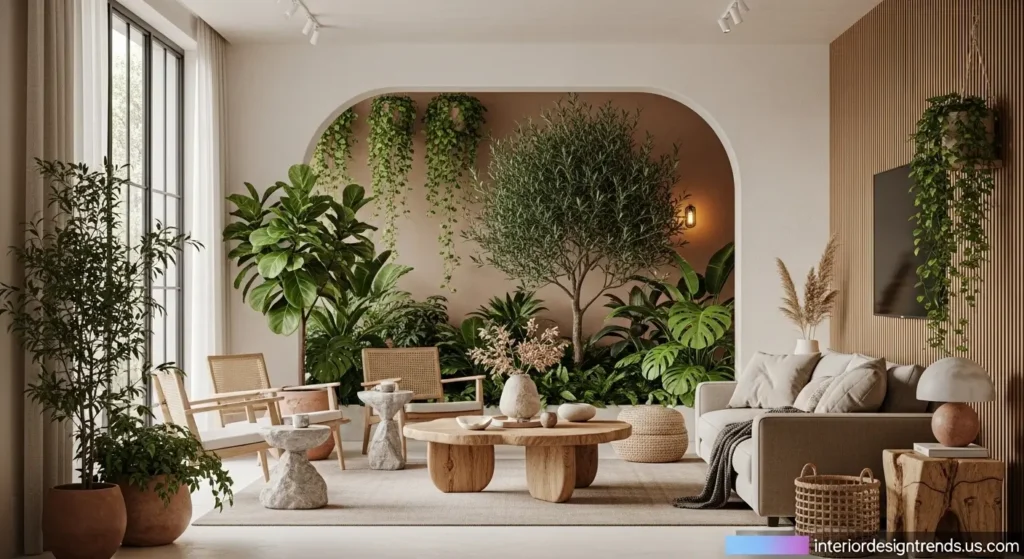
Use of Plants and Natural Elements
Plants are a simple but powerful way to style walls and surfaces:
- Air-Purifying Plants: Snake plants, pothos, and spider plants improve air quality and reduce stress.
- Desk Plants: Small succulents or cacti add greenery without taking much space.
- Wall-Mounted Planters: Perfect for small offices or to create a vertical garden effect.
Benefit: Plants not only enhance the look of your office but also improve concentration, mood, and overall well-being.
Office Decor for Small Spaces
Decorating a small office can feel challenging, but with the right approach, even limited space can be functional, stylish, and inspiring. Small offices require smart choices in furniture, layout, and storage to make the area feel larger, organized, and comfortable. Office decor for small spaces focuses on maximizing every inch without creating clutter.
Use Space-Saving Furniture
Choosing the right furniture is the first step in making a small office functional:
- Compact Desks: Select desks with smaller footprints but enough surface space for your work essentials. Wall-mounted or foldable desks are great for very tight areas.
- Multi-Functional Furniture: Desks with built-in drawers or shelves combine workspace and storage, saving floor space.
- Stackable or Nesting Chairs: These can be moved or stored when not in use.
- Corner Desks: Utilizing corner space frees up the center of the room, creating more open space.
Example: A wall-mounted desk with a drawer for supplies can provide enough workspace without taking up valuable floor area.
Maximize Vertical Space
Vertical space is often underutilized in small offices. Using walls and high surfaces efficiently can help reduce clutter:
- Floating Shelves: Place shelves above the desk for books, files, or decorative items.
- Tall Cabinets: Use narrow, tall cabinets instead of wide ones to store more items while using less floor space.
- Wall Organizers: Pegboards, hooks, or magnetic boards keep supplies off the desk while staying accessible.
Tip: Keep frequently used items at eye level and decorative or less-used items higher up.
Smart Storage Solutions
Storage is essential in small offices to keep the space organized:
- Under-Desk Storage: Drawers, small rolling carts, or baskets under the desk provide hidden storage.
- Modular Storage Units: Cubes, shelves, or stackable boxes can be customized to fit any space.
- Decluttering Regularly: Only keep essential items in the office. Store or remove things you don’t use frequently.
Example: A small office can have a rolling storage cart under a corner desk, providing space for supplies without taking extra floor space.
If you are planning a similar update, our guide on One moment, please… is worth a look.
Light and Color for Small Spaces
The right light and colors can make a small office feel bigger and more inviting:
- Light Colors: White, soft gray, beige, and pastels reflect light and make the room appear larger.
- Mirrors: Adding a wall mirror creates the illusion of depth and openness.
- Natural Light: Place your desk near a window to take advantage of sunlight, which opens up the room visually.
- Layered Lighting: Combine ambient light with a task lamp to brighten the workspace efficiently.
Tip: Avoid dark or heavy wall colors in small offices as they can make the space feel cramped.
Minimalist Decor Approach
In a small office, less is more. Minimalist decor keeps the office organized and functional:
- Choose a few key decorative items, like a plant, artwork, or an inspirational quote.
- Keep the desk surface clear except for essentials.
- Use neutral tones with one or two accent colors to maintain visual harmony.
Example: A small office with a clean desk, a floating shelf with a few books, a plant, and a neutral-colored rug feels open and welcoming
Flexible Layout Options
Small offices benefit from flexible layouts that can adapt to different needs:
- Movable Furniture: Rolling carts, chairs, or small tables allow you to rearrange the room as needed.
- Foldable Desks or Chairs: Save space when not in use.
- Defined Zones: Even in small offices, separate areas for work, storage, and inspiration help maintain order.
Tip: Avoid placing furniture in the middle of the room; keep walkways open to make the office feel more spacious.
Decor Mistakes to Avoid
Even the best office ideas can go wrong if common mistakes are made. Knowing what to avoid ensures your office decor is both functional and stylish. Small errors can make the office feel cluttered, uncomfortable, or uninspiring. By learning these mistakes, you can save time, money, and frustration.
Overcrowding the Space
One of the biggest mistakes is trying to fit too many items into the office. Overcrowding creates clutter, reduces functionality, and makes it hard to focus.
Examples of overcrowding:
- Too many decorations on the walls or surfaces.
- Large furniture that blocks walking space.
- Stacks of papers or office supplies are scattered on the desk.
How to avoid it:
- Prioritize essentials first: desk, chair, storage, and lighting.
- Use vertical storage and floating shelves instead of filling the floor.
- Keep surfaces clear except for necessary items.
Ignoring Ergonomics
Ignoring ergonomics can harm your health and reduce productivity. Even the most beautiful office will feel uncomfortable if the furniture does not support your body properly.
Common ergonomic mistakes:
- Low or uncomfortable chairs cause back or neck pain.
- Desk height not aligned with chair or monitor.
- Poor monitor placement is causing eye strain.
Tips for correct ergonomics:
- Use chairs with lumbar support and adjustable height.
- Keep monitors at eye level to avoid neck strain.
- Ensure your desk and chair allow a natural posture for typing and writing.
Using Too Many Colors
While color is important for mood and energy, using too many colors can make your office feel chaotic and distracting.
Common color mistakes:
- Mixing too many bright colors in one room.
- Clashing patterns on walls, furniture, and decor.
- Ignoring your office theme or purpose when choosing colors.
Tips for color harmony:
- Stick to 2–3 main colors with 1 accent color.
- Use neutral tones for walls and large furniture, bright accents for accessories.
- Match decor items with your chosen theme to maintain a cohesive look.
Poor Lighting Choices
Lighting is often overlooked, but poor lighting can harm your productivity, focus, and mood.
Common mistakes:
- Relying only on overhead lighting without task lamps.
- Placing monitors where glare or shadows occur.
- Choosing overly dim or harsh lights that tire the eyes.
Tips:
- Combine natural light with ambient and task lighting.
- Position desks near windows, but avoid direct glare on screens.
- Use adjustable lamps for flexibility.
Cluttered Surfaces
A cluttered desk or workspace makes it hard to focus and can feel stressful. Even a well-decorated office can lose its appeal if surfaces are messy.
How to avoid clutter:
- Use trays, organizers, and baskets to store supplies.
- Only keep essential items on the desk.
- Regularly declutter to remove unnecessary papers or items.
Ignoring Personal Touches
Some offices focus too much on minimalism or professional appearance and forget to add personality. An office without personal touches can feel cold and uninspiring.
Tips:
- Add small decor items that inspire or motivate you.
- Include photos, plants, or artwork that reflect your style.
- Balance personal items with a clean and organized layout.
Forgetting to Plan the Layout
Jumping straight into decorating without a plan can create a workspace that feels unbalanced or inefficient.
Common layout mistakes:
- Placing large furniture in the middle of the room, blocking walkways.
- Ignoring natural light sources or electrical outlet locations.
- Not creating clear zones for work, storage, and inspiration.
Tips:
- Measure your office and plan the placement of furniture before buying anything.
- Keep walkways clear and maintain easy access to storage.
- Consider multiple layout options and choose one that maximizes space and comfort.
Quick Office Decor Checklist
Creating a beautiful and functional office can feel overwhelming, especially when there are so many elements to consider. A quick office decor checklist helps you plan, organize, and decorate your workspace efficiently. Use this checklist to ensure nothing important is missed, whether your office is big or small.
Define Your Office Purpose
Before buying furniture or decor, clarify what you need your office to do:
- Is it for focused work, creative brainstorming, or client meetings?
- Will it host visits from colleagues or clients, or is it just for personal use?
- Do you need storage for documents, books, or supplies?
Tip: Knowing your purpose helps guide your decor choices, colors, and furniture style.
Plan Your Layout
A well-thought-out layout improves productivity and comfort:
- Measure your space and note where windows, doors, and outlets are.
- Position the desk for natural light without glare on your screen.
- Keep walkways open and avoid placing furniture in the middle of the room.
- Create zones for work, storage, and relaxation if space allows.
Tip: Sketch a simple floor plan to visualize your office before buying anything.
Select Essential Furniture
Choose functional and comfortable furniture:
- Desk: Spacious enough for your work essentials; consider adjustable or corner desks for small spaces.
- Chair: Ergonomic with lumbar support and adjustable height.
- Storage: Cabinets, shelves, or drawers for organization.
- Additional Furniture: Side tables, small sofa, or reading chair if space allows.
Tip: Invest in multi-functional furniture to save space and add style.
Choose Lighting Carefully
Lighting impacts comfort and productivity:
- Use natural light whenever possible.
- Combine ambient, task, and accent lighting for flexibility.
- Ensure desk lamps provide focused light for reading or writing.
Tip: Avoid harsh white lights and glare on screens; use neutral or warm LED lights.
Pick a Color Palette
Colors affect mood, creativity, and focus:
- Use 2–3 main colors for walls, furniture, and decor.
- Add one accent color to bring energy or focus to a particular area.
- Light or neutral colors can make small spaces feel larger.
Tip: Keep the palette consistent to maintain a professional, cohesive look.
Decorate Walls and Surfaces
Make your office inspiring while staying organized:
- Walls: Hang art, motivational quotes, or floating shelves.
- Desk: Keep surfaces clear except for essentials and small personal touches.
- Storage Surfaces: Use decorative boxes or trays to keep items organized.
- Plants: Add greenery for freshness and improved air quality.
Tip: Balance function and style; every item should serve a purpose or enhance aesthetics.
Organize Technology and Cables
Tech clutter can make an office look messy:
- Hide cables using cable management solutions.
- Use wireless devices or docking stations to reduce clutter.
- Place monitors at eye level for ergonomic comfort.
Tip: Sleek tech accessories add style while keeping your office functional.
Add Personal Touches
Personal elements make the office more enjoyable:
- Small plants or flowers for freshness.
- A few photos or artworks that inspire you.
- Stylish organizers that match your color scheme.
Tip: Keep personal touches minimal to avoid clutter and distraction.
Frequently Asked Questions (FAQ)
What are the best office décor ideas for productivity?
Use minimalistic layouts, proper lighting, ergonomic furniture, organized storage, and subtle motivational wall art. Keep your desk clean and clutter-free.
How do I choose the right colors for my office décor?
Match colors to your workflow: blues and greens calm and focus, yellows energize, neutrals give a professional backdrop. Keep a maximum of three main colors for balance.
Can décor improve my focus and well-being?
Yes. Organized, well-lit spaces with natural elements reduce stress and increase productivity. Personal touches make you feel comfortable and motivated.
What are budget-friendly office décor tips?
- DIY wall art or prints
- Repurpose furniture and accessories
- Small plants or greenery
- Colorful desk organizers
- Second-hand decor that matches the theme
You may also find our article on One moment, please… helpful for the next step.
For even more inspiration, explore our post on One moment, please….
Conclusion
Decorating your office is more than just making it look good; it is about creating a space that supports productivity, comfort, and inspiration. The right combination of furniture, lighting, color, storage, and personal touches can transform any workspace into an environment where you feel motivated and focused every day.
By planning carefully, avoiding common decor mistakes, and using smart strategies for small spaces, walls, surfaces, and lighting, you can make your office both functional and beautiful. Even simple touches like plants, artwork, or organized surfaces can significantly improve the mood and efficiency of your workspace.
Remember, office decor is personal. What works best for one person may not suit another. Focus on what makes your office comfortable, organized, and inspiring, while keeping the space clean and visually appealing. With thoughtful planning and attention to detail, your office can become a place where work feels enjoyable, creativity flows, and productivity reaches its full potential.
