
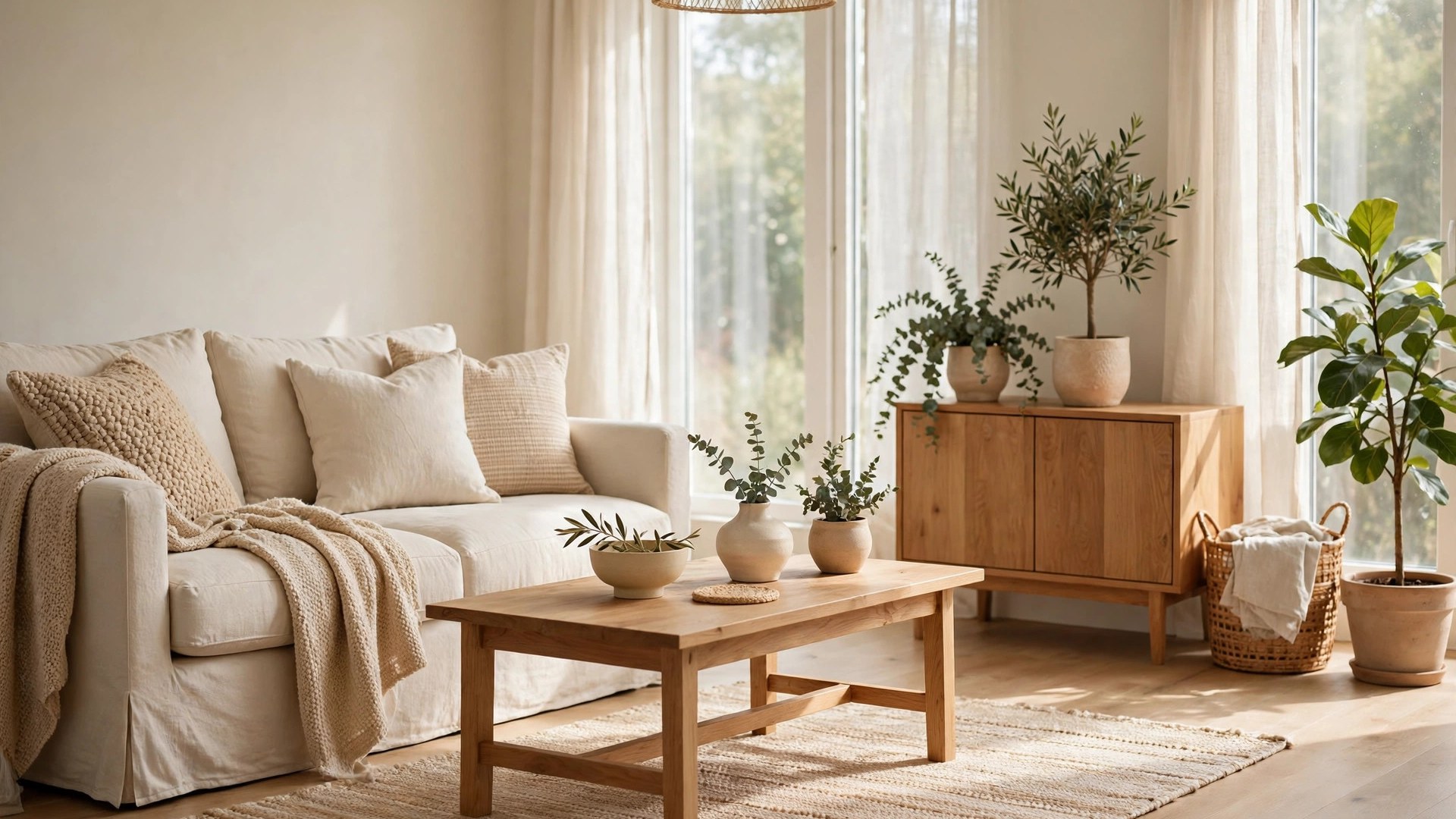

Every house has one room that works and several that merely exist. The difference is rarely money. It is that the good room got its decisions in the right order, while the others collected furniture and hope. This collection of room ideas is built to close that gap, room by room, with a formula that repeats at every scale: clarify the room’s job, edit what is there, then layer in light, texture, and color until the space earns its keep.
You do not need to renovate anything. Most of what follows is rearrangement, subtraction, and small purchases chosen with intent. Work through the whole-house principles first, because they explain every room-specific idea that follows. Then take the rooms one at a time, starting with whichever one bothers you most. A weekend per room is a realistic pace, and by the end of the month the house will feel considered from the front door to the back bedroom.
Start With the Room’s Job, Not Its Look
Rooms fail when they are decorated for a fantasy. The dining room set for dinner parties held twice a year, the guest room perfected for guests who stay in hotels, the living room arranged for a life without children or dogs. Every room in your house has an actual job, done daily or weekly, and the design should serve that job first and look beautiful doing it.
Write the job down in one sentence. “This room is where two adults read, talk, and watch the news with coffee.” “This room is where a teenager sleeps, studies, and hides from all of us.” The sentence sounds simple, but it settles arguments instantly: the elegant chair that nobody can read in fails the first room’s sentence, and the desk with no knee room fails the second.
Then list what the job requires: seats, surfaces, light, storage. Most rooms are missing exactly one of the four, and it is usually storage or light. Identifying the missing element before buying anything decorative is the cheapest professional habit you can steal, and it turns shopping from a lottery into a list.
The Three-Layer Formula Every Good Room Shares
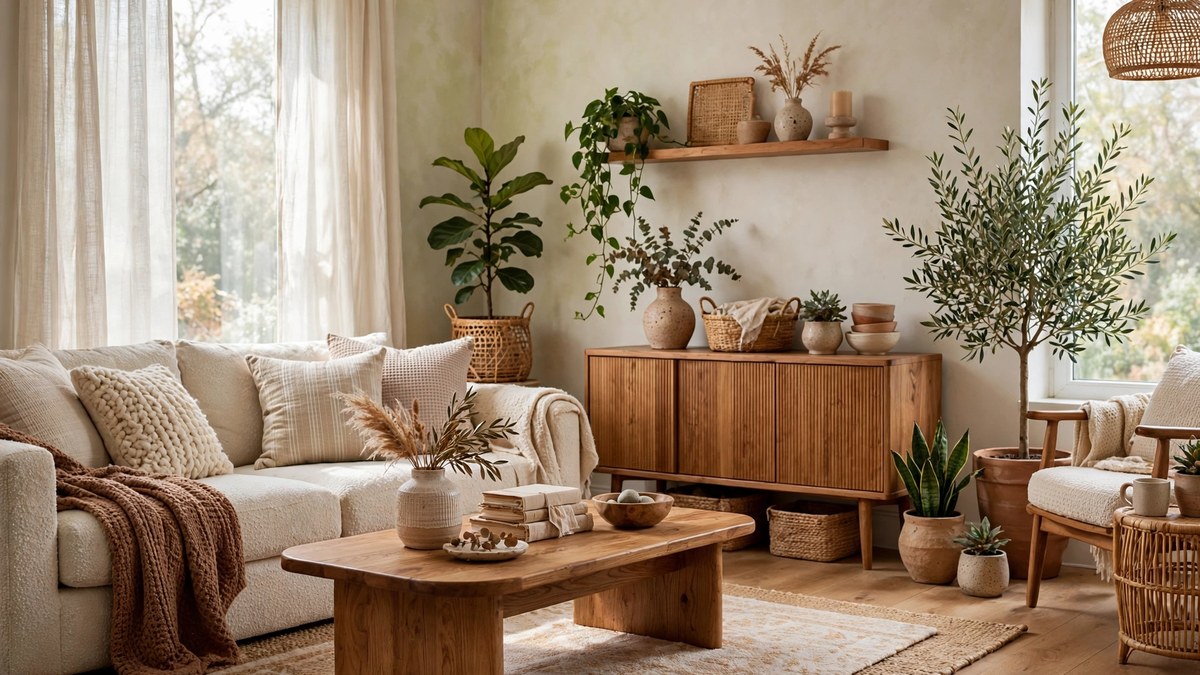
Strip any room you love down to its structure and you will find the same three layers. The first is the bones: layout, the largest furniture, and the rug, arranged so the room’s job happens easily and traffic flows without negotiation. Bones are mostly about measurement and honesty, and they are free to fix because they involve moving what you own.
Atmosphere also includes how the room sounds and smells, though we notice those mostly when they are wrong. Soft furnishings quiet echo; a candle or a plant changes the air. They belong in this layer’s budget conversation because a room that looks right but echoes like a stairwell never feels finished, and the fix, more textiles, is the same fix the character layer wants anyway.
The second layer is atmosphere: color on the walls, lighting at useful heights, and window treatments. Atmosphere is where paint lives, and where warm lamps at 2700K replace the ceiling light as the room’s evening personality. This layer decides whether a room feels calm, energized, formal, or snug before a single accessory appears.
The third layer is character: art, textiles, plants, books, and the objects that could only be yours. Character is the cheapest layer and the one most people buy first, which is why so many rooms feel decorated but wrong. Build in order and each layer makes the next one obvious. Our larger collection of home decor ideas shows the same formula applied across whole-home styles and seasons.
Declutter Home Decor First: The Edit That Costs Nothing
Before any room gets a single new thing, it gets an edit, because the fastest way to redecorate is to declutter home decor that has overstayed its welcome. Every room accumulates: the chair that became a shelf, the decor objects that arrived as gifts and stayed as obligations, the small furniture that fills corners without serving anyone. Together they tax every surface and make good pieces invisible.
Work the room in categories rather than by area. First, remove anything broken, stained, or kept purely from guilt. Second, remove anything whose job is done better elsewhere in the house. Third, gather every purely decorative object onto one table and re-admit them one at a time, only where they improve a surface. What does not get re-admitted leaves the room, to storage, to donation, or to a room that needs it.
The result surprises people: rooms look larger, calmer, and more expensive after subtraction, and the pieces that remain finally get seen. The edit also reveals the room’s true shopping list, which is almost always shorter than expected and often consists of a lamp, a basket, and a plant rather than the furniture overhaul you feared. Keep the habit with a small rule: new decor enters only when something else leaves, and the room stays edited for good.
Neutral Room Ideas That Are Anything But Boring
Neutral rooms have a reputation problem, blamed on a decade of gray-on-gray rentals. Done well, neutral room ideas produce the calmest, most sophisticated spaces in the house, and the method is texture, tone, and restraint with light. Begin with the palette: not one neutral but a family of them, warm whites, oatmeal, greige, taupe, camel, and charcoal as the deep note, chosen to share an undertone so the room feels tonal rather than mismatched.
The basics of color theory explain why this works: when hues step aside, the eye reads value contrast and texture instead, so those must be supplied generously. Layer at least five textures into the seating zone: a nubby wool or jute rug, smooth leather or cotton upholstery, linen curtains, a woven basket, a wooden table with visible grain, and one metallic or glass accent for light play. A neutral room with fewer than four textures is the boring kind; with six, it is the kind people photograph.
Tone placement completes it. Keep the largest surfaces the lightest, walls and rug, the mid-tones in upholstery, and the deepest tones in the smallest accents, a cushion, a frame, a lamp base, so the room gains depth without darkness. Add one living green thing; plants are the neutral room’s honorary color and its proof of life.
Living Room Refresh Ideas
The living room is where the formula pays off fastest, because it usually needs arrangement more than purchases. Pull the seating into a conversation group on the rug, add the missing side table and lamp, and the room transforms before you spend anything. Hang the art at eye level, about 57 inches to center, at a scale that matches the sofa, roughly two-thirds its width for the piece or grouping above it.
Then add the finishing tenth: a throw with texture, cushions in a disciplined mix, a tray that corrals the coffee table, and a plant where the light allows. If the room still feels flat, the answer is usually lighting, so count the sources; three lamps at different heights will outperform any single new object you could buy.
For small living rooms, the same moves apply with slimmer, leggy furniture and a mirror to borrow light. For the full method, our dedicated living room guides go room by room through layout, color, and the finishing layers in the order the work should happen.
Bedroom Ideas for Rest and Personality
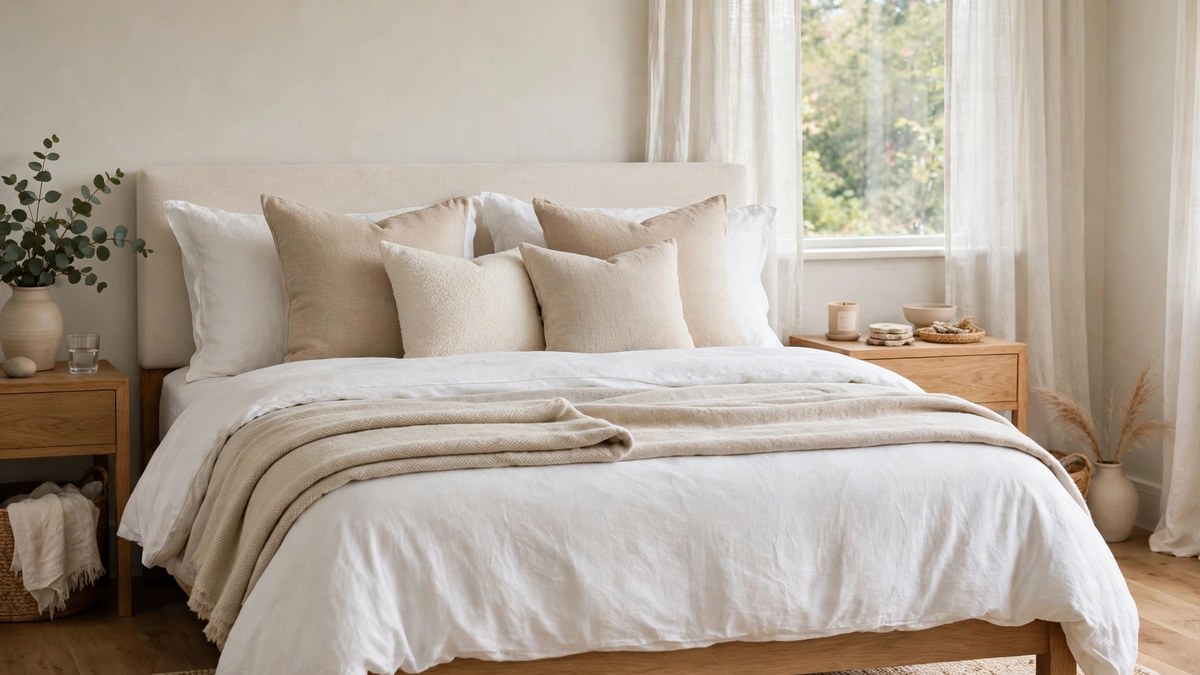
The bedroom’s job is sleep and restoration, and every idea should be graded against that. The bed is the room: invest first in the mattress’s comfort layer, pillows that suit the sleepers, and bedding in natural fibers that breathe. Visually, a bedroom wants a calm palette and symmetry around the bed, matching lamps and nightstands where space allows, because the eye reads that balance as restfulness.
Storage discipline is a bedroom idea in itself. Clothes and clutter in view raise the room’s visual noise at exactly the moment you are trying to lower your own. Closed storage, a dresser with drawers that actually close, a lidded basket for the in-between clothes that are neither clean nor laundry, keeps the room’s surfaces peaceful.
Children’s bedrooms run on a variation of the same formula: the job changes every few years, so the bones should be adaptable and the character layer cheap to swap. A real bed that grows from toddler to teen, storage sized for the current obsession, and wall color or decals carrying the theme of the moment will outlast any furniture bought to match a cartoon. Keep one corner permanently calm, for reading and winding down, in every version of the room.
Personalize at the edges: art you love above the dresser rather than above the bed’s headboard wall of pillows, books on the nightstand, one beautiful object. Keep screens and work out where you can; the bedroom that doubles as an office needs a visual boundary, a screen, a curtain, or at least a desk that closes, so the job of rest is not staring at the job of work.
Kitchen and Dining Room Ideas That Earn Their Keep
In the kitchen, the highest-value ideas are organizational beauty: clear the counters to the tools used daily, decant the staples into matching containers only if it genuinely helps you cook, and give the room one decorative moment, a bowl of fruit, a small herb pot, a beautiful cutting board leaned against the backsplash. Kitchens read as designed when their work surfaces look intentional rather than stored upon.
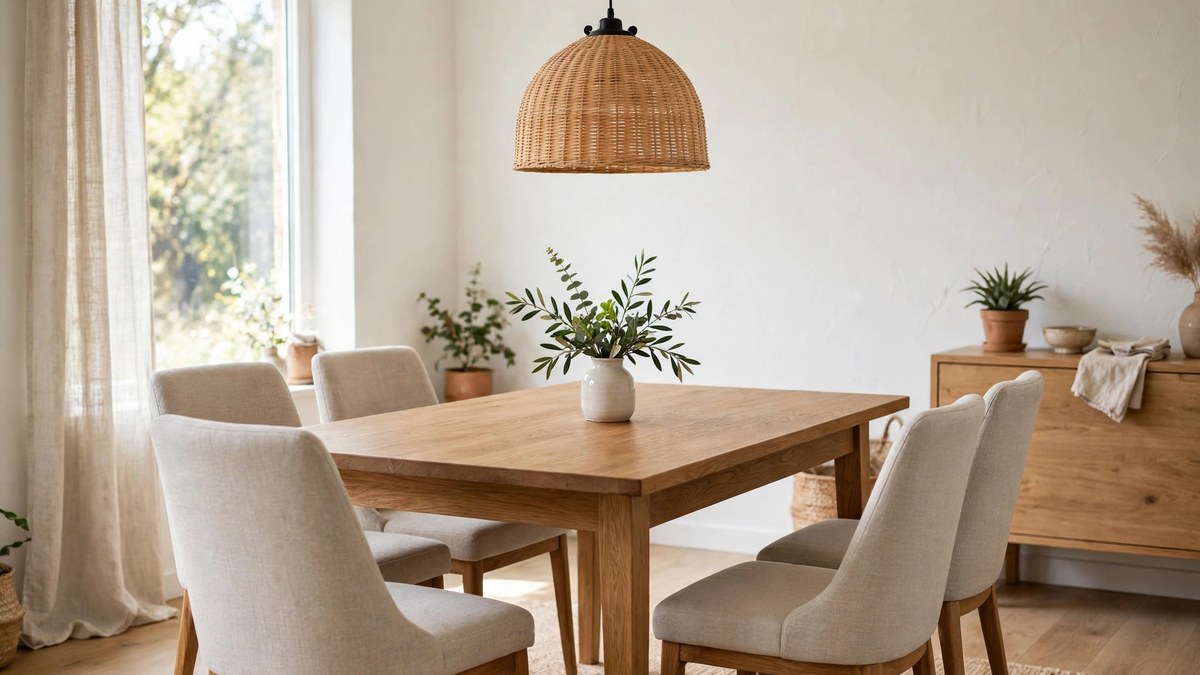
The dining room’s refresh is about being ready. A table that lives under homework and mail cannot host dinner without an excavation, so give the room a sideboard or cabinet that swallows the daily overflow. Dress the table with a simple centerpiece that can be lifted away in one trip: a runner, a bowl, or a pair of candlesticks. Layer the light with a dimmer on the overhead fixture, and the room shifts from cafeteria to restaurant at the turn of a knob.
Both rooms benefit from one repeated material or color that ties them to the rest of the house, a thread picked up from the living room’s palette. Houses feel designed when rooms acknowledge each other, and the cheapest acknowledgment is a shared color appearing once per room.
Bathroom and Entryway: Small Rooms, Big Payoffs
Small rooms deliver the fastest victories in the house because a little goes everywhere. In the bathroom, replace the builder mirror with a framed one or two, upgrade the lighting at face height, and coordinate the visible textiles, towels in one color family, a bath mat with texture. Trays corral the counter objects into one styled group, and a plant that tolerates humidity makes the room feel finished rather than serviced.
The entryway is the house’s handshake, and it usually needs function more than decoration: a hook or peg for every household member’s daily gear, a surface for keys and mail, a mirror for the last look, and a rug that can take mud and be washed for it. Once the function stands, one beautiful thing, a piece of art, a handsome bench cushion, a plant, makes the entry feel designed rather than merely equipped.
Powder rooms are the honorable exception to every restraint in this guide. A tiny room used briefly can carry the bold wallpaper, the dramatic color, the quirky mirror that would overwhelm a bigger space. If you have been waiting for permission to do one wild room, the half bath is it.
Home Office and Multi-Use Room Ideas
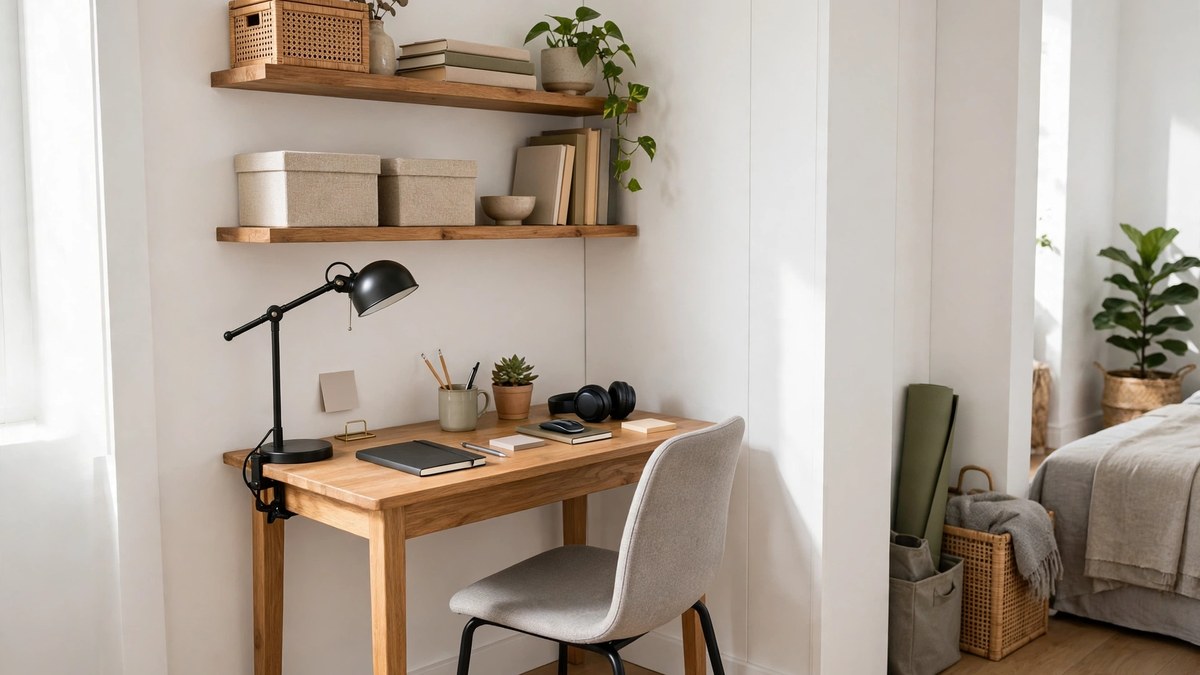
The multi-use room is the modern condition: the spare room that is office, guest room, gym, and storage in rotation. The ideas that save it are zoning and furniture that converts. Zone it with rugs and lighting so each function has a defined territory rather than a timeshare of the same square feet, and choose pieces that fold, roll, or stack: a desk that closes into a cabinet, a daybed that sleeps guests and seats readers, storage ottomans that swallow the yoga gear.
Visual calm matters doubly here because the room must shift your mindset when you enter it to work. Keep the work zone’s surfaces clear by rule, put the door between you and the household if one exists, and give the room one view that is pleasant from the desk chair. What you look at while thinking shapes the thinking.
Guest readiness deserves a small system in these rooms: a set of guest linens that lives in the room itself, a drawer or basket that swallows the desk’s daily clutter in one motion, and a hook or luggage rack spot so a visitor’s bag never lands on your work chair. When conversion takes under ten minutes and nothing needs hunting through the house, the multi-use room stops feeling like a compromise and starts feeling like a well-run small hotel that also happens to be your office.
If space is truly scarce, claim a consistent smaller territory: a closet converted to an office, a wide hallway’s end, a corner of the bedroom behind a screen. A small zone that is entirely yours beats a large room negotiated daily. The apartment-focused version of these moves, including furniture that earns double rent, is in our guide to DIY room decor for small apartments.
One Room, Small Budget: Where to Spend First
When the budget is small, and it usually is, spend in the order of the senses. First, light bulbs and lamps, because warm light at the right heights changes a room every single evening for a few dollars. Second, the rug or the rug pad, because the floor is the largest surface in the room and softness underfoot is felt constantly. Third, curtains that reach the floor, which make ceilings feel taller and windows finished.
Free moves come before all of these: the declutter edit, rearranging the furniture to the room’s actual job, shopping the other rooms for pieces that belong here. Many a room has been transformed by the lamp from the guest room and the rug rolled up in the attic. Our guide to home decorating ideas on a budget extends this priority list to whole-house refreshes with realistic numbers.
Resist spreading a small budget thinly across five rooms. One finished room lifts the whole house’s morale and teaches you your own taste; five half-rooms teach nothing and satisfy no one. Finish a room completely, live in it, then carry the lessons next door.
Common Room-by-Room Mistakes to Avoid
The universal mistake is buying the character layer first: art, cushions, and objects for a room whose layout and lighting are broken, which is decorating a problem instead of solving it. Bones, atmosphere, character, in that order, every time. The second is designing for a fantasy life, covered at the start; the third is furniture in matched sets, which flattens every room it enters.
Room-specific traps repeat too. Living rooms get rugs two sizes too small and art hung at standing eye level for seated people. Bedrooms get storage that displays instead of conceals. Kitchens get counters used as shelving. Bathrooms keep the builder mirror and the overhead-only light for a decade. Walk your house with this list and you will find your cheapest upgrades are already installed, just waiting to be corrected.
Finally, the meta-mistake: waiting to begin until the plan is perfect and the budget is complete. Rooms improve in passes. A room that is eighty percent right and lived in beats a perfect mood board every day of the week.
Frequently Asked Questions
Where should I start if every room in my house needs help?
Start with the room you use most in the evening, usually the living room, and run the full formula there: clarify its job, declutter, fix layout and lighting, then add character. One finished room proves the method, teaches your taste, and makes every following room faster and cheaper.
How do I make a room look better with no budget at all?
Edit and rearrange. Remove everything that does not serve the room’s job or earn its place visually, pull furniture into arrangements that suit how the room is used, clean the windows, and restyle surfaces with fewer, grouped objects. Subtraction and arrangement are the two professional tools that cost nothing.
What makes a neutral room look boring, and how do I fix it?
Too few textures and no depth in the tones. Add texture until you count at least five or six different materials in the seating zone, and make sure the palette includes a deep note, charcoal, dark wood, or black, in small accents so the light tones have something to play against. A plant adds the final life.
How do I keep a decluttered room from filling up again?
Adopt the one-in, one-out rule for decorative objects, and give everything a designated home so stray items are obvious. A five-minute reset each evening, things back to their homes, keeps the edit permanent. Rooms re-clutter at the speed of unsorted mail and homeless objects, so fix the systems, not just the surfaces.
Which rooms give the biggest payoff for effort?
The entryway and the main bathroom deliver the fastest visible wins because they are small and seen constantly. The living room delivers the biggest quality-of-life win. The powder room delivers the most fun per dollar if you let it be the one dramatic room in the house.
Should all my rooms match each other?
They should relate, not match. Carry one thread through the house, a color family, a material like warm wood or brass, or a consistent level of formality, and let each room vary the proportions. Houses where every room is a variation on one scheme feel calm; houses where rooms repeat exactly feel like hotels.
How often should I refresh a room?
In passes, not overhauls. A seasonal edit of textiles and surfaces, a yearly honest look at layout and light, and replacements as things wear out keep rooms current without drama. The rooms in this guide’s spirit are never finished; they are maintained, which is a much cheaper and happier state.
Final Thoughts
Good rooms are not bought; they are sequenced. Give each room its honest job, edit before you add, build bones then atmosphere then character, and finish one room completely before starting the next. The ideas here cost less than you feared and work in houses of every size, because they are about order and attention rather than objects. Pick the room that bothers you most, and begin this weekend with the edit.
