
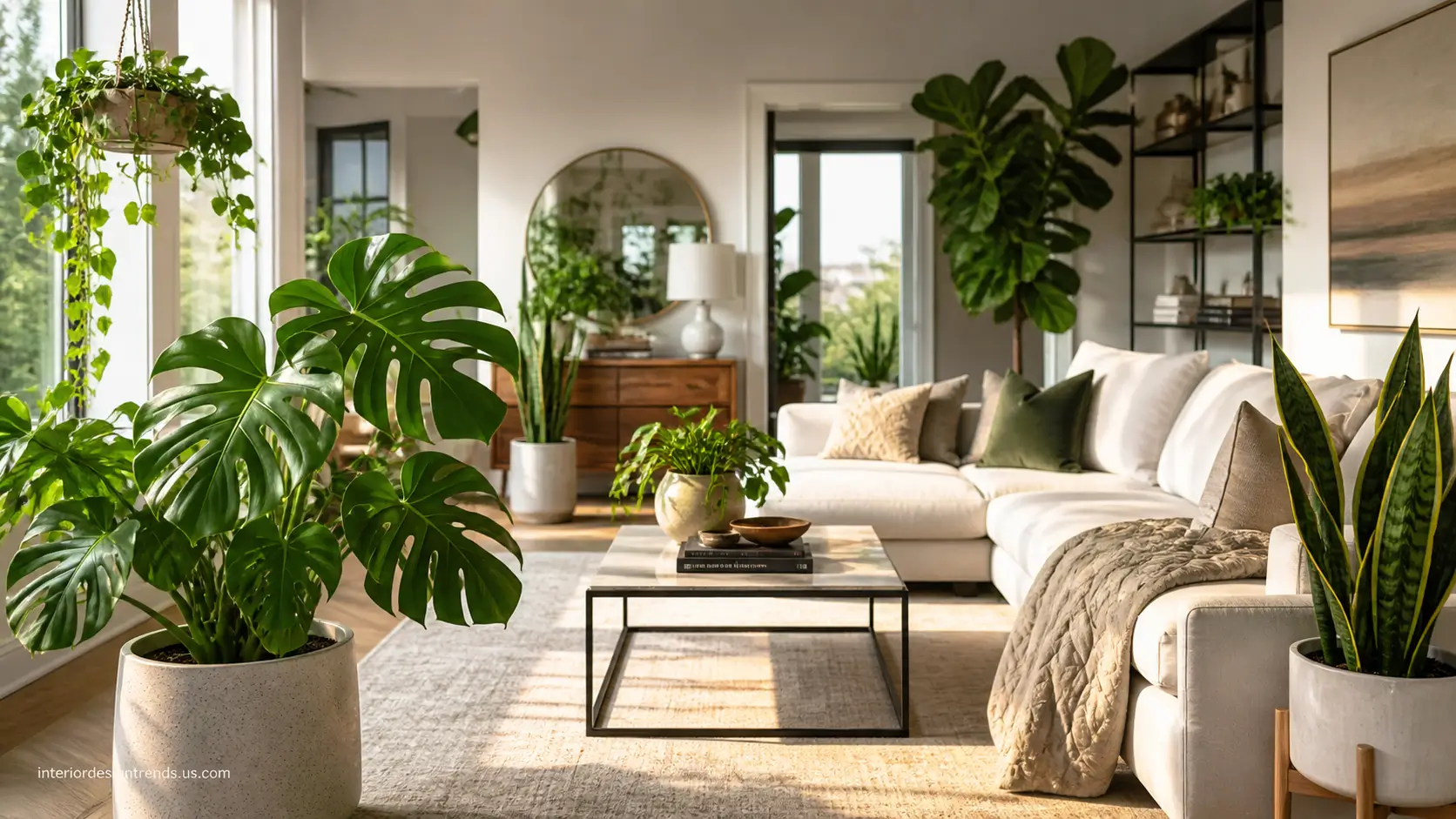

Welcome to our complete guide on interior decor plants. Bringing plants into your home is more than just decoration. They make your living space feel fresh, alive, and relaxing. The right plants can brighten a room, add color, and even make your home feel bigger and more welcoming.
Using decorative indoor plants can also improve your mood and health. They clean the air, reduce stress, and create a peaceful atmosphere. In this guide, you will learn which plants work best for different rooms, how to style them beautifully, and how to care for them. Whether you are new to houseplants or an experienced plant lover, this guide will help you make your home greener and more stylish.
Why Choose Interior Decor Plants
Adding indoor plants to your home is more than a trend; it brings both beauty and functionality to your living spaces. Plants naturally enhance any room by adding color, texture, and life. Even a small plant on a shelf or a large statement plant in the corner can completely change the feel of a room.
Benefits of Greenery in Home Interiors
- Improves Air Quality: Many indoor plants filter harmful toxins and release oxygen, making your home healthier.
- Reduces Stress: Studies show that being around plants lowers stress and improves mood.
- Adds Visual Appeal: Plants soften hard edges, add natural color, and bring balance to furniture and decor.
- Creates a Welcoming Atmosphere: Greenery makes rooms feel more inviting, relaxing, and alive.
How Plants Influence Mood and Space Design
Interior decor plants don’t just look good,d they influence how you feel and how you experience your space. Tall plants like the Fiddle Leaf Fig or Bird of Paradise act as striking focal points, drawing attention and creating depth. Smaller plants, such as Pothos or succulents, add layers and interest to shelves, tables, or windowsills.
By carefully choosing plants based on size, shape, and color, you can make any room feel brighter, more spacious, and harmonious. Even a single plant can make a minimalistic room feel lively and balanced, while a well-grouped set of plants can create a cozy, layered, and dynamic interior.
Top Plants for Interior Decor
Choosing the right interior decor plants can transform your home. Some plants make bold statements, while others add subtle texture or fill small spaces beautifully. In this section, we will break down the best plants for every style and experience level, from beginners to advanced plant lovers.
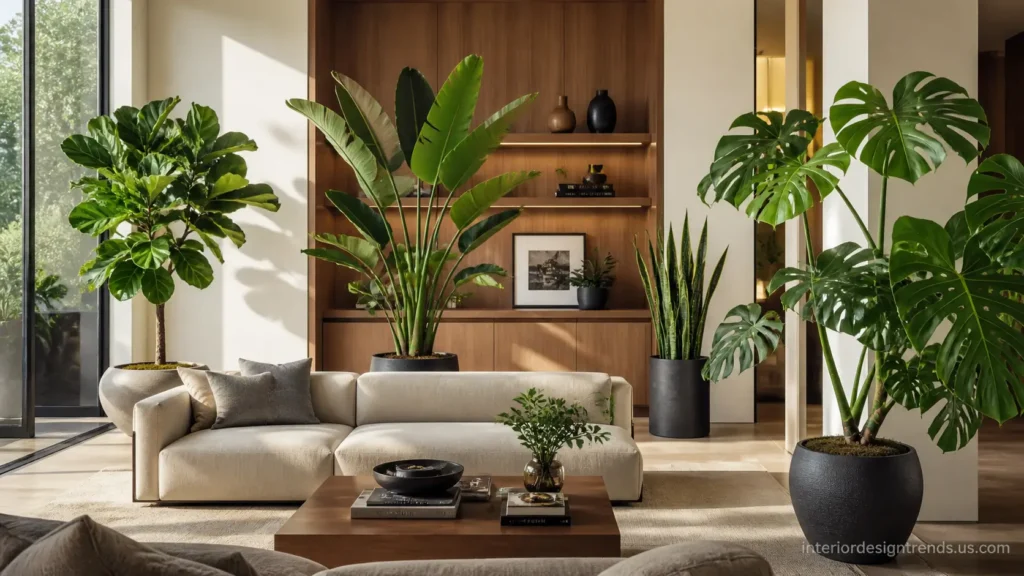
Statement Plants That Make a Big Impact
These are large, visually striking plants that immediately draw attention and act as focal points in any room:
- Fiddle Leaf Fig (Ficus lyrata): With its large, glossy leaves, the Fiddle Leaf Fig is perfect for living rooms or entryways. It needs bright, indirect light and can grow tall, making it a dramatic centerpiece.
- Monstera Deliciosa: Known for its unique split leaves, the Monstera adds a tropical, vibrant feel. It works well in corners or near windows where it can climb or spread.
- Bird of Paradise (Strelitzia reginae): This plant has large, upright leaves that bring a sculptural element to high-ceilinged rooms. It thrives in bright light and adds an exotic, stylish look.
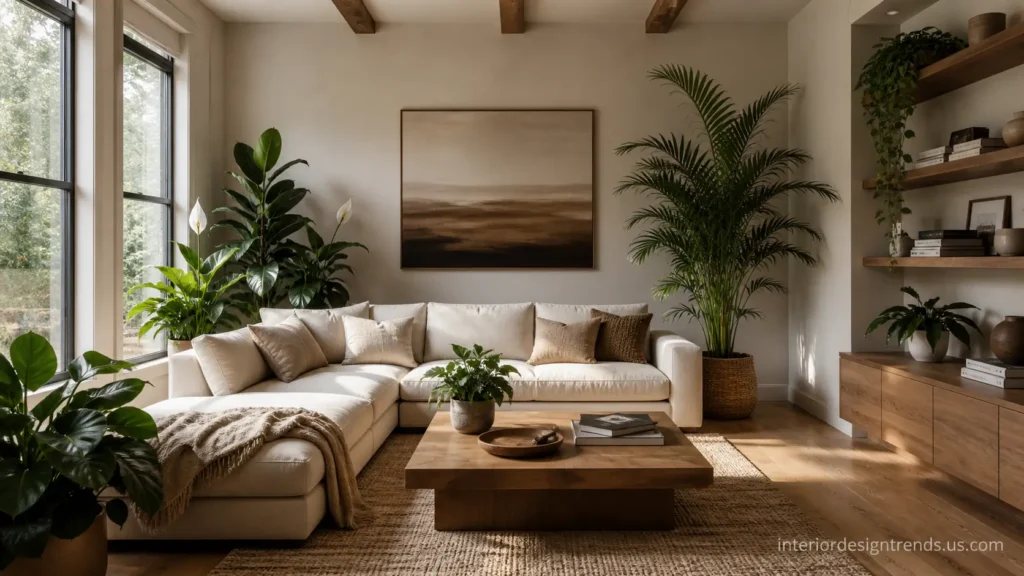
Mid-Size Plants for Harmony and Texture
Mid-size plants create balance and texture in a room without overpowering the space:
- Rubber Plant (Ficus elastica): Dark green, shiny leaves make it a versatile accent. It’s great for corners, bookshelves, or small empty areas.
- Areca Palm: Adds a soft, feathery texture and a subtle tropical vibe. Ideal for living rooms or offices.
- Dracaena Marginata: Sleek, modern, and low-maintenance, perfect for contemporary or minimalist interiors.
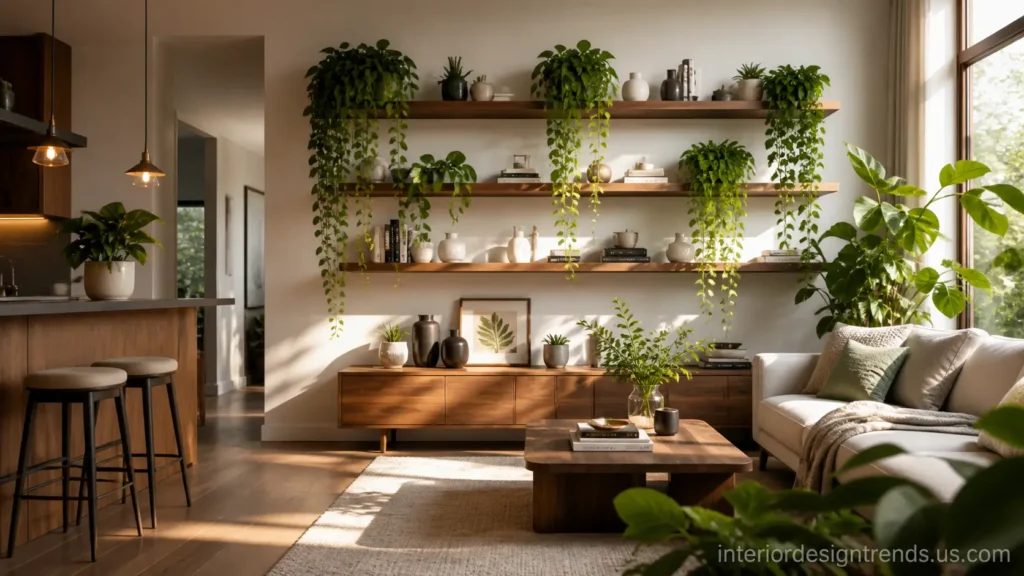
Trailing and Shelf Plants for Accents
Trailing plants are perfect for shelves, hanging baskets, or windowsills, adding movement and elegance:
- Pothos (Epipremnum aureum): Fast-growing, easy to care for, and ideal for hanging planters or shelves.
- String of Pearls (Senecio rowleyanus): Delicate, unique beads make it visually striking and perfect for creative displays.
- English Ivy: Elegant and versatile, thrives on shelves or in hanging pots with moderate light.
Low-Maintenance Options for Beginners
If you are new to houseplants, these are easy-care options that still look beautiful indoors:
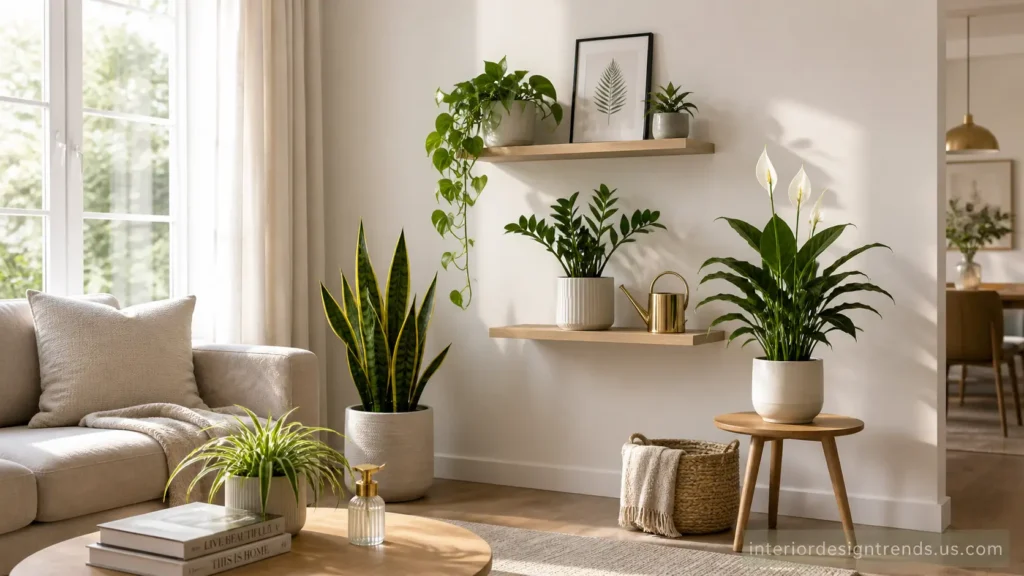
- Snake Plant (Sansevieria trifasciata): Extremely resilient, tolerates low light and irregular watering.
- ZZ Plant (Zamioculcas zamiifolia): Glossy leaves, drought-tolerant, ideal for corners or offices.
- Spider Plant (Chlorophytum comosum): Simple to grow, purifies air, and looks great in hanging pots or on shelves.
Tips for Choosing the Right Plants:
- Match the plant size to your room and furniture. Large statement plants for spacious areas, mid-size or trailing plants for tables and shelves.
- Consider light availability before selecting plants. Bright spaces can handle Fiddle Leaf Figs, while low-light corners are better suited for Snake Plants or ZZ Plants.
- Mix textures and heights for a layered, visually appealing arrangement.
Image Prompt: A living room with a Fiddle Leaf Fig in the corner, a Monstera near the window, and a Pothos trailing from a shelf.
Alt-text: Stylish interior decor plants arranged in a living room with layered textures and greenery.
Room-by-Room Plant Styling Ideas
Styling interior decor plants depends on the room, available space, and natural light. Each room has unique opportunities to showcase greenery while enhancing comfort and design. Here’s how to plan and style plants for every space in your home.
Living Room Interior Decor Plants
The living room is often the heart of a home, so statement and accent plants work best here.
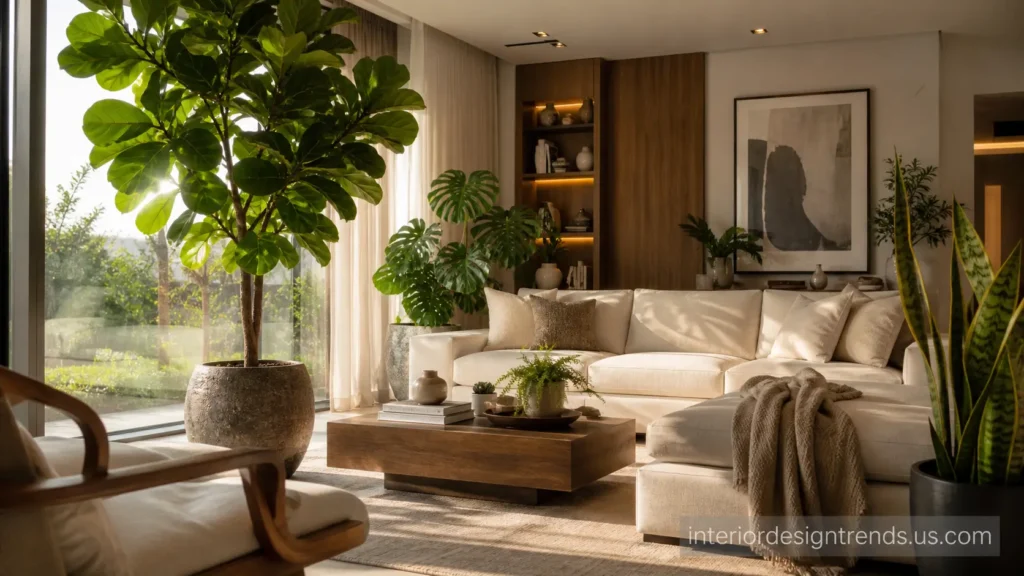
- Corners: Place tall plants like Fiddle Leaf Fig or Bird of Paradise in empty corners to create visual balance and serve as a natural focal point.
- Shelves and Tables: Mid-size plants like Dracaena or Areca Palm add texture and softness. Trailing plants like Pothos on shelves can add depth and movement.
- Grouping: Combine small, mid-size, and tall plants for a layered effect. Ensure you don’t overcrowd furniture or pathways.
Pro Tip: Use plant stands or pots of varying heights to create a dynamic, designer look.
Image Prompt: Spacious living room with Fiddle Leaf Fig, Monstera, and Pothos on shelves and tables.
Alt-text: Interior decor plants arranged in a living room with layered heights and textures.
Bedroom Greenery for Calm and Comfort
Bedrooms benefit from plants that promote relaxation and clean air.
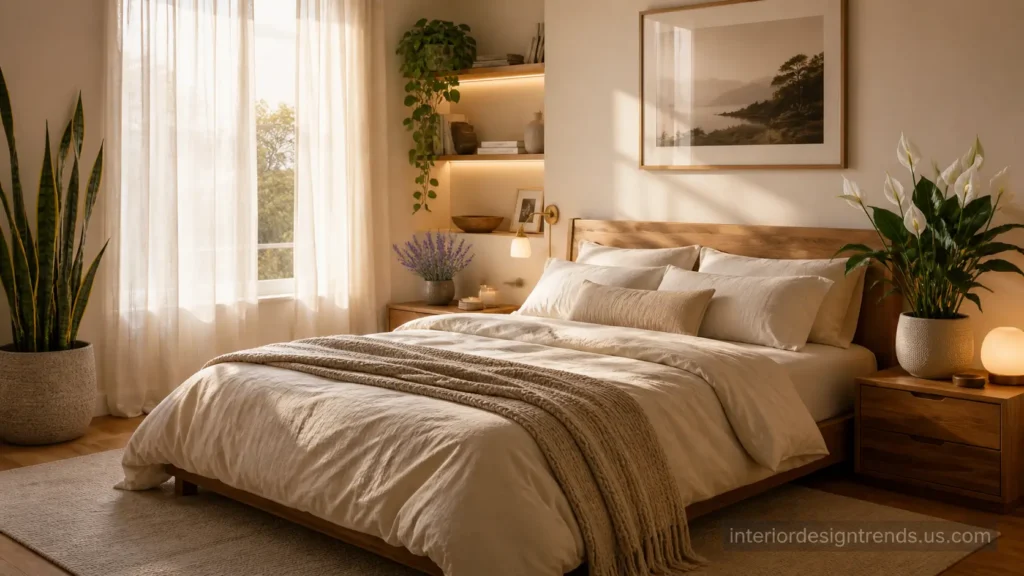
- Bedside Tables: Snake Plant, Peace Lily, or small ferns add calm vibes.
- Windowsills: Place trailing plants like English Ivy or small potted herbs for greenery without taking up floor space.
- Corners and Shelves: Mid-size plants like Rubber Plants or Dracaena bring balance without overwhelming the room.
Beginner Tip: Choose low-maintenance plants that thrive in moderate light to avoid overcomplicating care routines.
Kitchen and Dining Room Plant Ideas
Kitchens and dining rooms are great for functional and decorative plants.
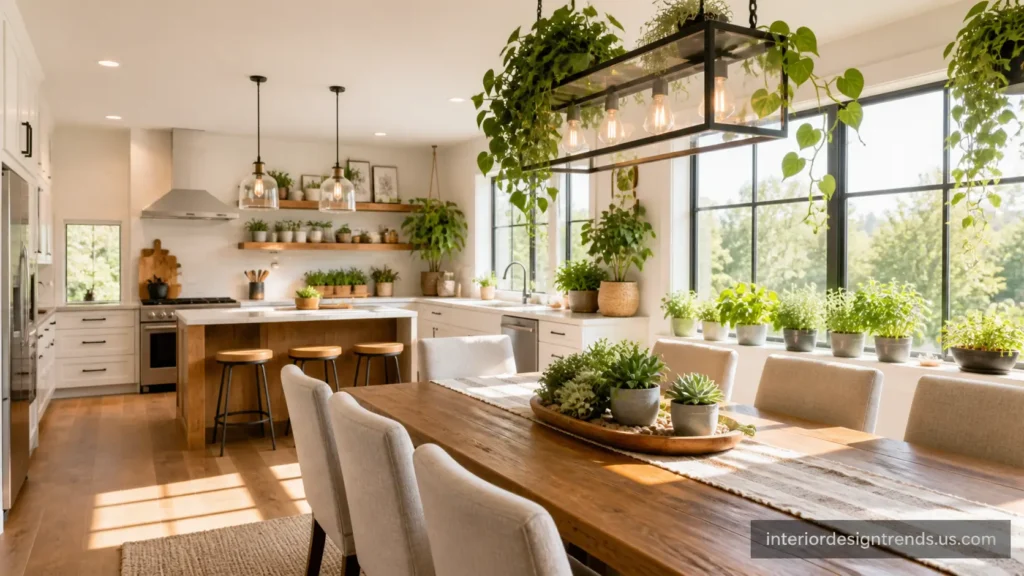
- Herbs as Decor: Basil, rosemary, thyme, and mint can sit on windowsills or countertops, offering both greenery and fresh ingredients.
- Small Accent Plants: Spider Plant or Pothos in hanging baskets add charm without taking up counter space.
- Mid-Size Plants: Areca Palm or Dracaena works well in dining corners, creating a welcoming dining atmosphere.
Pro Tip: Rotate plants occasionally to ensure even light exposure and keep them healthy.
Image Prompt: Kitchen with small herb pots on the windowsill and hanging Pothos.
Alt-text: Interior decor plants in a kitchen, including herbs and trailing greenery.
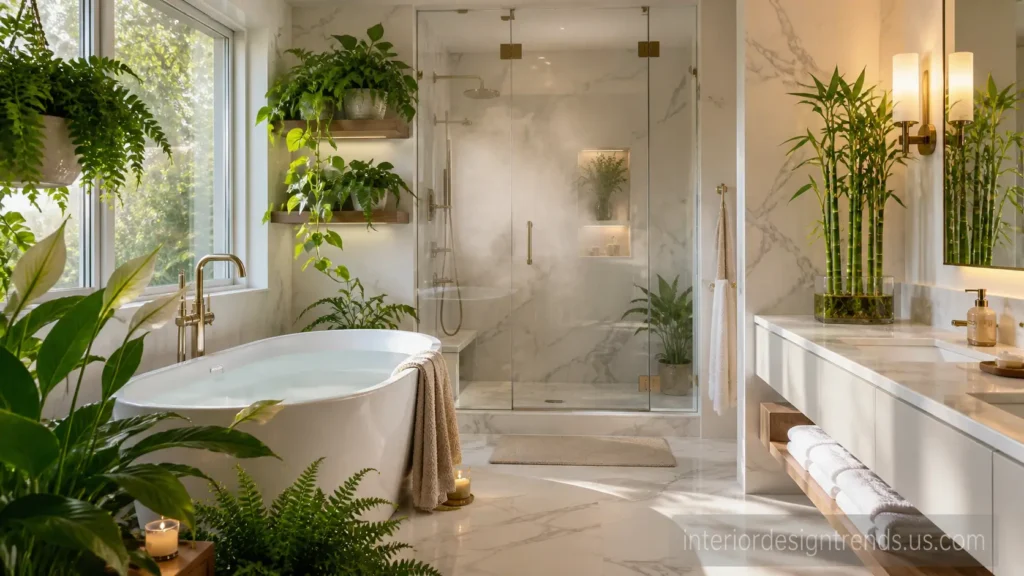
Bathroom Plants That Thrive in Humidity
Bathrooms are ideal for humidity-loving plants that may struggle in drier rooms.
- Shelf Plants: Boston Fern, Spider Plant, or small ferns thrive on shelves near natural light.
- Hanging Plants: Trailing Pothos or String of Pearls add greenery without cluttering surfaces.
- Decorative Touches: Choose pots that resist moisture and coordinate with bathroom colors for a cohesive look.
Beginner Tip: Bathrooms with small windows can support low-light plants, but always monitor for overwatering.
Image Prompt: Bathroom with hanging Boston Fern, Spider Plant on shelves, and small potted ferns on a windowsill.
Alt-text: Interior decor plants thriving in a humid bathroom environment.
Advanced Styling Tips for Interior Decor Plants
Once you have chosen your interior decor plants, styling them effectively can elevate your entire home. The right placement, pot selection, and layering techniques make a space look professionally designed while ensuring your plants thrive.
Choosing Pots and Containers
Pots are not just functional; they are an essential part of your interior design:
- Material Matters: Terracotta, ceramic, metal, or woven baskets all bring a different texture. Terracotta is classic and breathable, ceramic offers color variety, and metal gives a modern, sleek look.
- Color Coordination: Match pot colors with your room palette for a harmonious feel, or use contrasting colors for visual interest.
- Size Selection: Choose pots slightly larger than the plant’s root ball to allow growth. Avoid oversized pots for small plants, as this can make the plant look out of proportion.
Pro Tip: Mixing pot textures and sizes creates a visually dynamic display that enhances your decor style.
Creating Layers and Visual Depth
Layering is the key to a professional, styled look:
- Height Variation: Place taller plants in corners or at the back, medium-sized plants in the middle, and small plants or trailing plants in the front or on shelves.
- Grouping: Combine three to five plants with different leaf shapes, colors, and textures. Odd-numbered groups often look more natural.
- Vertical Space: Use plant stands, hanging baskets, or wall-mounted shelves to utilize height and keep surfaces uncluttered.
Beginner Tip: Start with two to three layers, then gradually add more as you get comfortable with plant styling.
Balancing Plants With Furniture and Color
Integrating plants into your overall interior design requires attention to scale, color, and texture:
- Room Harmony: Make sure your plants complement the style and color scheme. For example, tall, sleek plants like Dracaena work well in modern minimalist rooms, while lush, leafy plants like Monstera fit tropical or boho interiors.
- Spacing: Avoid overcrowding furniture or walkways. Leave enough room for plants to grow and for you to move freely.
- Focal Points: Use statement plants as visual anchors in living rooms or entryways. Accent plants on tables or shelves can guide the eye and create interest.
Pro Tip: Rotate plants occasionally to ensure even light exposure and maintain aesthetic balance.
Extra Styling Tips
- Combine Textures: Pair plants with different leaf shapes, sizes, and colors to create dynamic arrangements.
- Seasonal Updates: Change plant placement or pots seasonally for a fresh look.
- Decor Accessories: Incorporate decorative stones, macramé hangers, or unique planters to enhance the overall interior design.
Image Prompt: Layered indoor plants in various pot styles and heights, placed around furniture and shelves in a modern living room.
Alt-text: Advanced interior decor plant styling with layered plants, varied pots, and complementary room design.
Common Mistakes to Avoid With Decor Plants
Even experienced plant lovers sometimes make mistakes that can affect the health of their interior decor plants or the overall style of their space. Knowing these common pitfalls will help you keep your plants thriving and your home looking beautiful.
Overcrowding With Too Many Plants
A common mistake is adding too many plants in one room or space:
- Problem: Overcrowding can make a room feel cluttered and chaotic, and it may prevent plants from getting enough light or airflow.
- Solution: Focus on a mix of statement plants and accent plants. Use empty corners for tall plants, shelves for small or trailing plants, and leave open space to maintain balance.
Pro Tip: Odd-numbered groupings (3 or 5 plants) look more natural and visually appealing than even numbers.
Placing Plants in the Wrong Light
Not all plants thrive in the same light conditions:
- Problem: Putting a high-light plant like a Fiddle Leaf Fig in a dim corner can stunt growth or damage leaves. Low-light plants in bright sun may scorch.
- Solution: Match plant types with light availability. Snake Plants, ZZ Plants, and Pothos are perfect for low-light areas, while Monstera, Bird of Paradise, and Areca Palm need bright, indirect light.
Pro Tip: Rotate plants occasionally to ensure all sides get adequate light.
Neglecting Proper Watering and Care
Even decorative plants require attention:
- Problem: Overwatering or underwatering is one of the biggest causes of plant stress and death. Overwatering can lead to root rot, while underwatering causes wilting and dry leaves.
- Solution: Check soil moisture before watering. Follow plant-specific care guidelines, and use pots with drainage holes.
Beginner Tip: Start with easy-care plants like Snake Plant, ZZ Plant, or Spider Plant to practice proper watering habits.
Ignoring Plant Growth and Maintenance
Plants grow, and ignoring pruning or repotting can affect both their health and your decor:
- Problem: Plants can become leggy, overcrowded, or outgrow their pots, which looks messy and can harm their health.
- Solution: Regularly prune dead or yellowing leaves, repot when roots outgrow containers, and trim plants to maintain shape.
Pro Tip: Repot every 1–2 years for most indoor plants to encourage growth and keep the display attractive.
Mismatched Styles or Overuse of Colors
Even healthy plants can look out of place if their style clashes with your home decor:
- Problem: Pots, colors, or plant types that do not match your room’s style can make the space feel disjointed.
- Solution: Coordinate pots with furniture and wall colors. Use textures and natural tones to unify the space, while reserving bolder colors for accents.
Pro Tip: Mix textures (smooth ceramic, woven baskets, metallic pots) for a layered, professional look without overwhelming the room.
FAQ Interior Decor Plants
What are the best indoor plants for beginners?
For beginners, interior decor plants that are low-maintenance and forgiving are ideal. Snake Plant, ZZ Plant, Spider Plant, and Pothos are top choices because they thrive in low light, require minimal watering, and grow well in most indoor conditions. Starting with these plants builds confidence before moving to larger or more sensitive species.
How do I choose the right plants for each room?
Choosing the right plant depends on light availability, room size, and style:
- Living Room: Statement plants like Fiddle Leaf Fig or Monstera create a focal point.
- Bedroom: Peace Lily or Snake Plant improves air quality and relaxation.
- Kitchen: Small herbs or Spider Plant add function and greenery.
- Bathroom: Humidity-loving plants like Boston Fern or Pothos thrive in moisture-rich areas.
Always consider both aesthetics and the plant’s natural requirements to ensure long-term growth and visual harmony.
How can I style indoor plants like a professional?
Styling interior decor plants professionally involves layering, grouping, and pot selection:
- Mix tall, medium, and small plants to create depth.
- Use odd-numbered groupings for natural visual appeal.
- Match pot styles and colors with your room decor for cohesion.
- Rotate plants to ensure even light exposure and healthy growth.
These techniques transform basic greenery into a dynamic, visually appealing display.
How often should I water my indoor plants?
Watering depends on the plant type and environment:
- Low-Maintenance Plants (Snake Plant, ZZ Plant): Water every 2–3 weeks.
- Medium-Care Plants (Monstera, Rubber Plant): Water once a week, checking soil moisture.
- Humidity-Loving Plants (Ferns, Peace Lily): Keep soil slightly moist, water 2–3 times per week.
Pro Tip: Always check the soil with your finger before watering to prevent overwatering, which is the most common cause of indoor plant problems.
How do I prevent indoor plants from getting pests or diseases?
To protect your interior decor plants, follow these steps:
- Inspect new plants for pests before bringing them indoors.
- Avoid overwatering, which can cause root rot and fungal growth.
- Clean leaves occasionally to remove dust and improve photosynthesis.
- Use natural remedies or plant-safe insecticides if pests appear.
Healthy care habits keep plants vibrant, safe, and decorative for years.
