
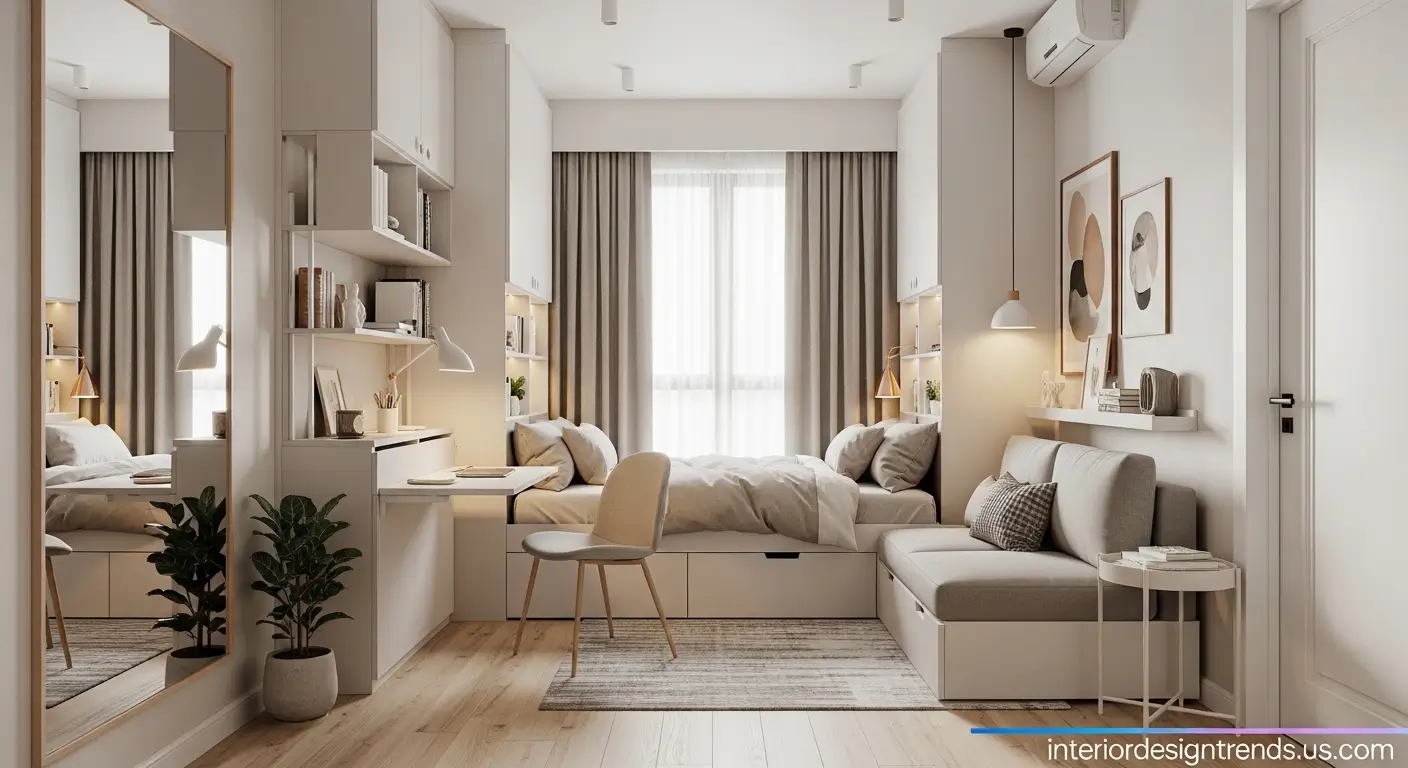

Welcome to our guide on small room decor ideas, where we show you how to make even the tiniest rooms look beautiful, organized, and comfortable. Decorating a small room can feel tricky because you have limited space, but with the right tips, you can create a room that looks bigger, brighter, and more functional. Every corner, wall, and piece of furniture can be used smartly to make your room feel welcoming.
A small room does not mean you have to give up on style. By using clever furniture, smart storage, light colors, and creative decorations, you can make your room feel open and cozy at the same time. In this guide, you will learn step-by-step strategies, practical tips, and expert advice to maximize space, add personality, and keep your room tidy. These ideas are easy to follow and work for any type of small room, whether it is a bedroom, study, or living area.
Understand Your Small Room Before You Decorate
Before you start buying furniture or decorating, it is important to really understand your small room. Knowing the space, lighting, and layout will help you make the room look bigger, more organized, and more stylish.
Assess Lighting, Layout, and Flow
First, look at how light enters your room. Natural light makes any small room feel bigger and brighter. Notice where the windows are and which areas get sunlight during the day. Avoid blocking windows with big furniture so the room can feel open.
Next, think about the flow of the room how you walk around and use the space. Make sure there are clear paths so you don’t feel cramped. Even small rooms can feel comfortable if furniture is placed thoughtfully and there is enough open space to move around easily.
Define the Function of Every Zone
Every small room should have a clear purpose for each area. For example, a corner can be a reading nook, a small desk can serve as a study space, or a wall shelf can hold decor and storage. Decide what you need most from your room before choosing furniture or decorations.
This step ensures that every piece in your room is useful and stylish. Using multifunctional furniture, like a bed with storage drawers or a foldable desk, can save space and keep the room neat. By planning your layout carefully, even the smallest room can be practical, comfortable, and beautiful.
Color Schemes That Expand Your Space
The colors you choose for a small room can make a big difference in how open and comfortable it feels. The right color scheme can make the room look larger, brighter, and more welcoming.

Bright and Light Palettes to Visually Open Rooms
Light colors are the best choice for small rooms. White, cream, pastel shades, and soft neutrals reflect light, which makes the room feel more open. Using a single light color on walls, ceiling, and even furniture creates a smooth flow that visually enlarges the space.
You can also mix in light-colored rugs, curtains, and furniture to keep everything looking fresh and airy. Avoid dark colors on all walls because they can make the room feel smaller and heavier. Light colors give the perfect blank canvas for adding style later with accents and decorations.
Color Accent Walls for Personality Without Crowding
You don’t need to keep every wall light. A single accent wall can add personality and style without making the room feel cramped. Choose a wall that naturally draws attention, like behind the bed or sofa, and paint it a bold color or use a patterned wallpaper.
This technique adds depth and interest to the room while keeping most of the space light and open. Accent walls also help guide the eye, making your small room feel bigger and more dynamic.

Smart Furniture Choices for Small Rooms
Choosing the right furniture is one of the most important steps in decorating a small room. The wrong furniture can make the room feel crowded and uncomfortable, while the right pieces can save space, increase functionality, and look stylish.
Choose Multifunctional and Space‑Saving Furniture
In small rooms, every piece of furniture should work harder. Multifunctional furniture does more than one job, which helps keep the room organized and open. Some great options include:
- Sofa beds that can be used for sitting during the day and sleeping at night
- Storage ottomans to hold blankets, toys, or other items
- Wall-mounted foldable desks that save floor space when not in use
- Nesting tables that can be stacked together to free space
These pieces reduce clutter, improve flow, and make the room feel larger. Multifunctional furniture is practical and stylish, perfect for small rooms.
Scale Furniture to Room Size What Works and What Doesn’t
It’s easy to make a mistake by picking furniture that is too big for a small room. Large sofas, tall wardrobes, or heavy tables can make the room feel cramped. Instead:
- Choose slim-profile sofas and chairs
- Opt for low beds or platform beds
- Pick lightweight or transparent furniture like glass or acrylic tables
Also, leave at least two feet of walking space around furniture. This allows easy movement and prevents the room from feeling crowded. Furniture that fits the scale of the room helps maintain balance, comfort, and style.

Vertical Storage and Wall‑Mounted Solutions
In a small room, floor space is limited, so using vertical space is one of the smartest ways to store items and keep the room organized. Wall-mounted solutions make the room feel open while still giving you plenty of storage.
Floating Shelves and High Cabinets for Clutter Control
Floating shelves are attached directly to the wall, leaving the floor clear. You can use them to display books, plants, or decorative items while keeping things off the ground. High cabinets are another great option because they store items above eye level, which keeps your room tidy and reduces clutter.
Vertical storage is perfect for small rooms because it uses space that would otherwise be wasted. By stacking items upwards instead of outwards, you can keep the room clean and visually larger.
Stylish Hooks, Pegboards, and Floating Nightstands
Hooks, pegboards, and floating nightstands are creative wall-mounted options that add both function and style. Hooks can hold bags, hats, or coats. Pegboards allow you to hang tools, accessories, or decorative pieces in an organized way. Floating nightstands free up floor space while keeping essentials like lamps or books within reach.
Using walls for storage instead of the floor maximizes space, improves flow, and makes the room feel open and airy. These solutions are especially useful in bedrooms, home offices, and studios where every inch counts.

Mirrors and Reflective Surfaces for Optical Expansion
Mirrors and reflective surfaces are powerful tools to make a small room feel larger and brighter. They create an illusion of space, bounce light around the room, and add a stylish touch without taking up floor space.
Where to Place Mirrors for Maximum Light and Depth
To get the best effect, place mirrors opposite windows or light sources. This reflects natural light and spreads it throughout the room, instantly making it feel bigger and more open. A full-length mirror can also make a narrow room look longer, while mirrored furniture or decor adds subtle depth and elegance.
Using mirrors creatively—like behind a bed, along a wall, or on cabinet doors enhances both light and perception of space. Even small reflective accents, such as metallic picture frames, glass tables, or glossy surfaces, can brighten corners and prevent the room from feeling cramped.
Mirrors are not just decorative—they are functional design tools that expand the room visually, improve lighting, and add a sense of style without adding clutter.

Lighting Strategies That Enhance Small Rooms
Good lighting can completely transform a small room. The right light not only brightens the space but also makes it feel larger, warmer, and more inviting. In small rooms, using a mix of lighting types is essential to create a comfortable and stylish environment.
Layered Lighting Ambient, Task, Accent
Layered lighting means combining different types of light for a balanced effect:
- Ambient lighting is the main light in the room, usually from ceiling lights or a central fixture. It brightens the whole space evenly.
- Task lighting is focused light for specific activities like reading, working, or applying makeup. Desk lamps, bedside lamps, and under-cabinet lights work well.
- Accent lighting highlights certain areas or decorative items, such as wall sconces, LED strips, or spotlights on artwork.
Using all three types together makes the room more functional and visually appealing, without adding clutter.
Use Natural Light to Its Fullest Potential
Natural light is the easiest way to make a small room feel bigger. Keep windows clear of large furniture, and use sheer curtains or blinds that let light in while maintaining privacy. Light-colored walls and reflective surfaces help bounce sunlight around, brightening the room and creating the illusion of space.
Combining natural light with well-planned layered lighting ensures the room is always bright, cozy, and visually open, no matter its size. Proper lighting is one of the easiest ways to make a small room feel spacious, comfortable, and stylish.
Decor and Accessories That Don’t Overwhelm
Decorating a small room is all about balance. Too many decorations can make the room feel cramped, while the right pieces can add style, personality, and warmth. The goal is to enhance the space without cluttering it.

Rugs, Art, and Textiles That Add Warmth Without Clutter
Rugs help define areas in a small room, such as a sitting corner or a workspace, and add texture and color. Wall art brings personality and style, but it’s best to choose one or two larger pieces instead of many small ones that create visual chaos.
Textiles like cushions, throws, and curtains add comfort and color. Stick to a cohesive color scheme so the room feels harmonious and open. Minimal, well-chosen pieces are far more effective than overcrowding the space with decorations.
Plants and Scents for Life and Tranquility
Plants are perfect for small rooms because they bring life, freshness, and color without taking up much floor space. Choose compact plants like succulents, small ferns, or hanging planters.
Scent can also improve the room’s atmosphere. Essential oils or scented candles add a subtle touch that makes the room feel cozy and relaxing. These small details improve the room’s mood while keeping the space light and open.
By choosing decor carefully and using accessories wisely, even the smallest room can feel welcoming, stylish, and organized.
Mistakes That Make Small Rooms Feel Smaller
Even with the best furniture, colors, and lighting, certain mistakes can make a small room feel crowded, dark, or uncomfortable. Avoiding these common errors ensures your room looks open, stylish, and functional.
Don’t Overcrowd With Too Many Small Decor Pieces
One common mistake is filling a small room with many tiny decorations. Instead of making the space look cute, it often feels cluttered and chaotic. Focus on fewer, larger statement pieces that draw attention and create a clean, organized look. For example, one large piece of wall art is more effective than five small ones scattered around.
Size, Scale, and Proportion Errors to Avoid
Another mistake is using furniture or decorations that are too big or too small for the room. Oversized sofas, tall cabinets, or heavy rugs can dominate the space, while tiny furniture can feel lost and make the room look empty.
To avoid this:
- Measure your room carefully before buying furniture
- Choose items that match the room’s scale
- Maintain open walking paths of at least two feet
- Keep furniture low-profile and proportional
Paying attention to size, scale, and proportion keeps your small room feeling balanced, airy, and comfortable.
By avoiding these mistakes, your small room will look larger, organized, and welcoming, while still reflecting your personal style.
Creative DIY Budget‑Friendly Decor Ideas
Decorating a small room doesn’t have to be expensive. With a little creativity, you can transform your space on a budget while making it unique and stylish. DIY projects are perfect for adding personal touches and functionality without spending too much money.
DIY Shelves, Painted Accent Walls, and Fabric Panels
Simple DIY projects can make a big difference in a small room:
- Floating shelves: Build your own shelves to display books, plants, or decorations. They save floor space and look stylish.
- Painted accent walls: Use a bold or soft color on one wall to add character and depth without overwhelming the room.
- Fabric panels: Cover walls or create curtains with colorful fabric for a cozy and unique look.
These projects are affordable, easy to do, and can be customized to fit your style.
Easy Repurposed Items That Add Function and Style
Repurposing old items is another great way to decorate on a budget:
- Turn wooden crates into storage boxes or shelves
- Use old ladders as plant stands or towel racks
- Decorate jars and containers to hold stationery, makeup, or small items
Repurposed items not only save money but also give your room a creative and personalized touch. When used thoughtfully, these DIY ideas keep your small room organized, stylish, and unique without making it look cluttered.
FAQ: Small Room Decor Ideas
How can I make a small room look bigger without spending a lot?
You can make a small room appear larger by using light-colored walls, mirrors, and reflective surfaces. Choose multifunctional furniture that saves space, like storage beds or foldable desks. Adding vertical storage, like floating shelves or wall-mounted hooks, also frees floor space and keeps the room organized. Even small touches, like a single accent wall or minimalist decor, can visually expand the space.
What are the best colors for decorating a small room?
Light and neutral colors work best in small rooms because they reflect light and make the space feel airy. Shades like white, cream, soft gray, and pastels help the room appear larger. You can also use a bold accent wall to add depth and personality without overcrowding the space. Mixing textures and subtle patterns keeps the room visually interesting while maintaining openness.
Which furniture is ideal for a small room?
In small rooms, choose multifunctional and appropriately scaled furniture. Examples include sofa beds, storage ottomans, nesting tables, and low-profile beds. Avoid oversized pieces that block movement or dominate the space. Transparent furniture, like glass tables, or wall-mounted options like foldable desks, also help maintain a sense of openness while providing practicality.
How can lighting improve the feel of a small room?
Layered lighting is key. Use ambient lighting for overall brightness, task lighting for work or reading, and accent lighting to highlight decor. Maximizing natural light by keeping windows clear and using sheer curtains also makes the room feel bigger and more welcoming. Combining these strategies improves both function and visual appeal.
What small decor items add style without cluttering the room?
Use minimal and meaningful decorations, such as one or two statement art pieces, compact plants, or subtle decorative trays. Textiles like cushions, throws, and rugs add warmth and texture without taking up floor space. Avoid overcrowding with many small items, and focus on pieces that blend functionality and style to keep the room tidy, cozy, and visually open.
Conclusion
Decorating a small room may seem challenging, but with the right approach, it can become a beautiful, functional, and inviting space. By understanding your room, choosing the right colors, furniture, lighting, and decor, and using clever vertical storage and mirrors, you can make even the tiniest room feel open and stylish.
Remember, the key is balance and smart choices. Use multifunctional furniture, avoid clutter, and add decor that enhances the room without overwhelming it. Small touches like plants, textiles, and reflective surfaces bring personality and warmth, while proper lighting and layout make the room feel larger.
